Postcards from Old Ceylon to England: Tracing Sri Lanka’s Forgotten Travel Roots
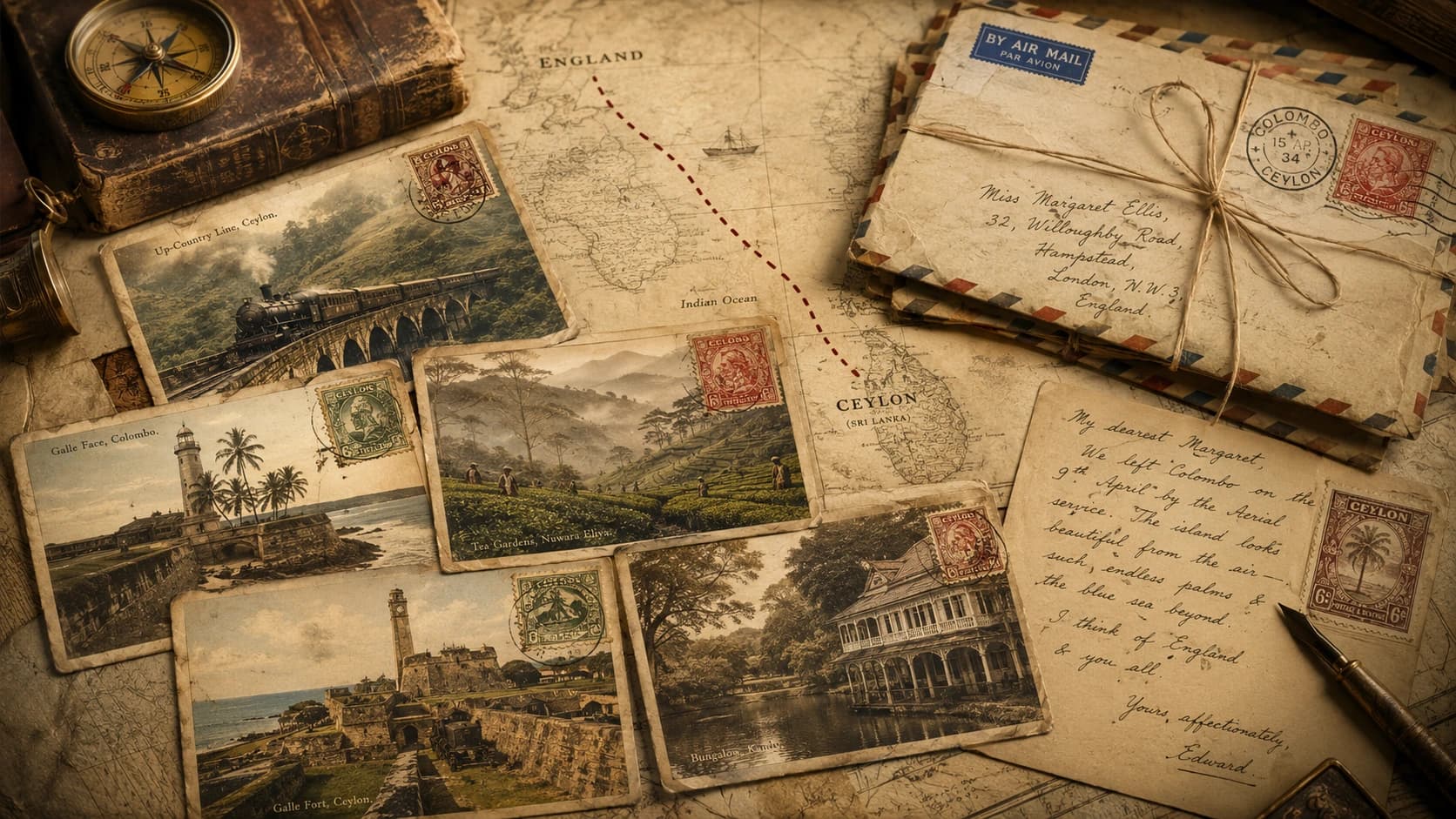
Some journeys to Sri Lanka begin with a flight ticket. Others begin with a small piece of card, faded at the edges, carrying a view of Colombo Harbour, a misty Nuwara Eliya lake, a tea estate near Kandy, or a street scene from old Ceylon.
For many families in England, these old Ceylon postcards still survive in drawers, albums, trunks and inherited boxes. They may have been sent by a planter, a civil servant, a soldier, a missionary, a merchant, a traveller, or a relative who once lived in British Ceylon. The message may be brief. The handwriting may be difficult to read. The stamp may be worn. Yet these small cards often carry a powerful emotional question.
Where exactly was this place?
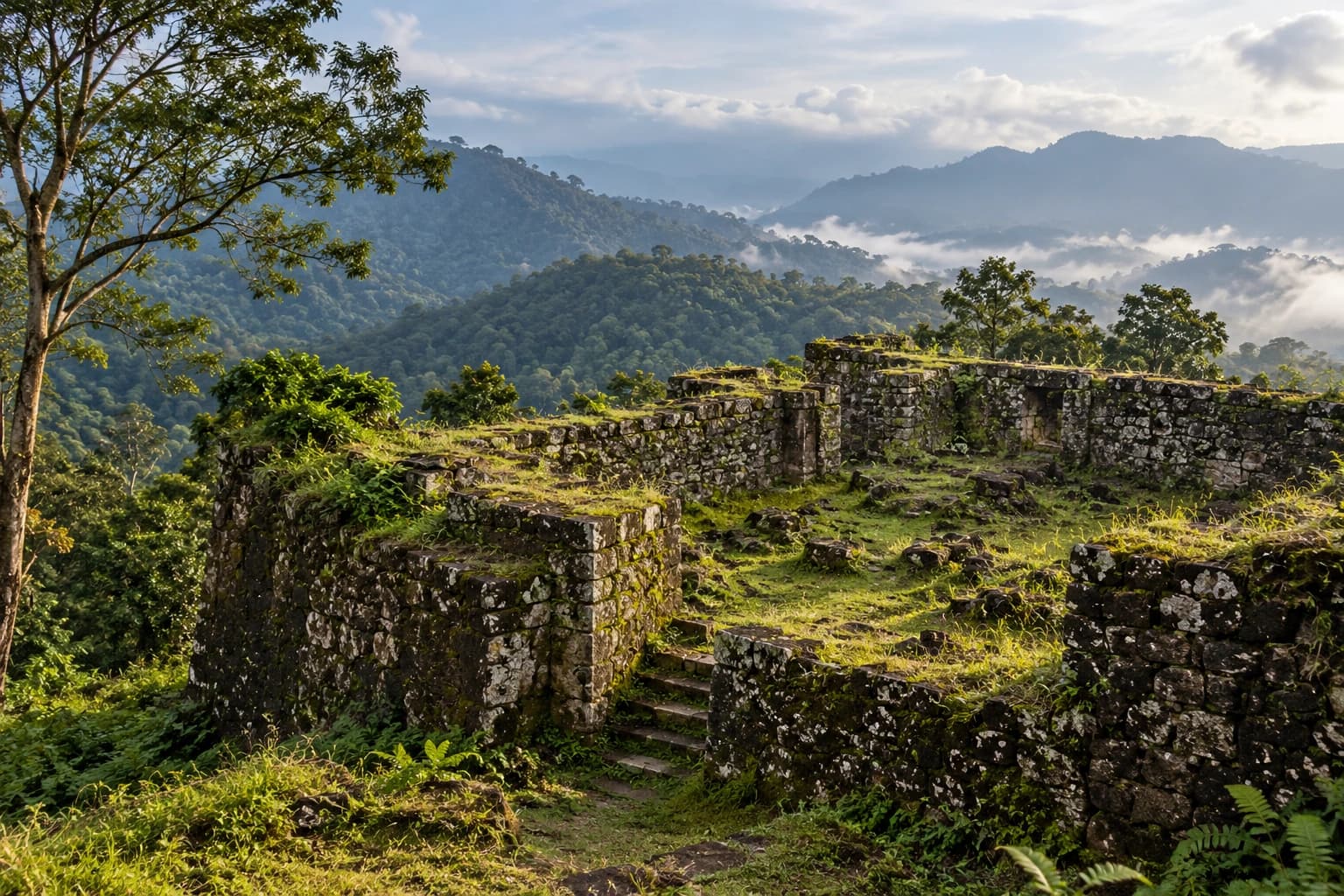
For visitors from England travelling to Sri Lanka in search of family roots, old postcards can become more than souvenirs. They can become maps. They point towards ports, railway towns, churches, cemeteries, hill stations, tea estates, old hotels and colonial streets that still form part of Sri Lanka’s living landscape.
Check our previous article- https://trippingsrilanka.com/stories/sri-lankas-colourful-letter-boxes
Why Ceylon Postcards Matter
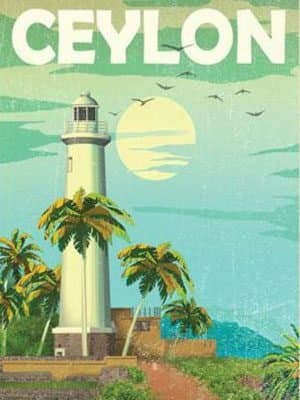
During the late nineteenth and early twentieth centuries, postcards became one of the easiest ways to send an image of a distant place home. Before social media, before instant photography, before travel blogs, the postcard was a quick visual message from abroad.
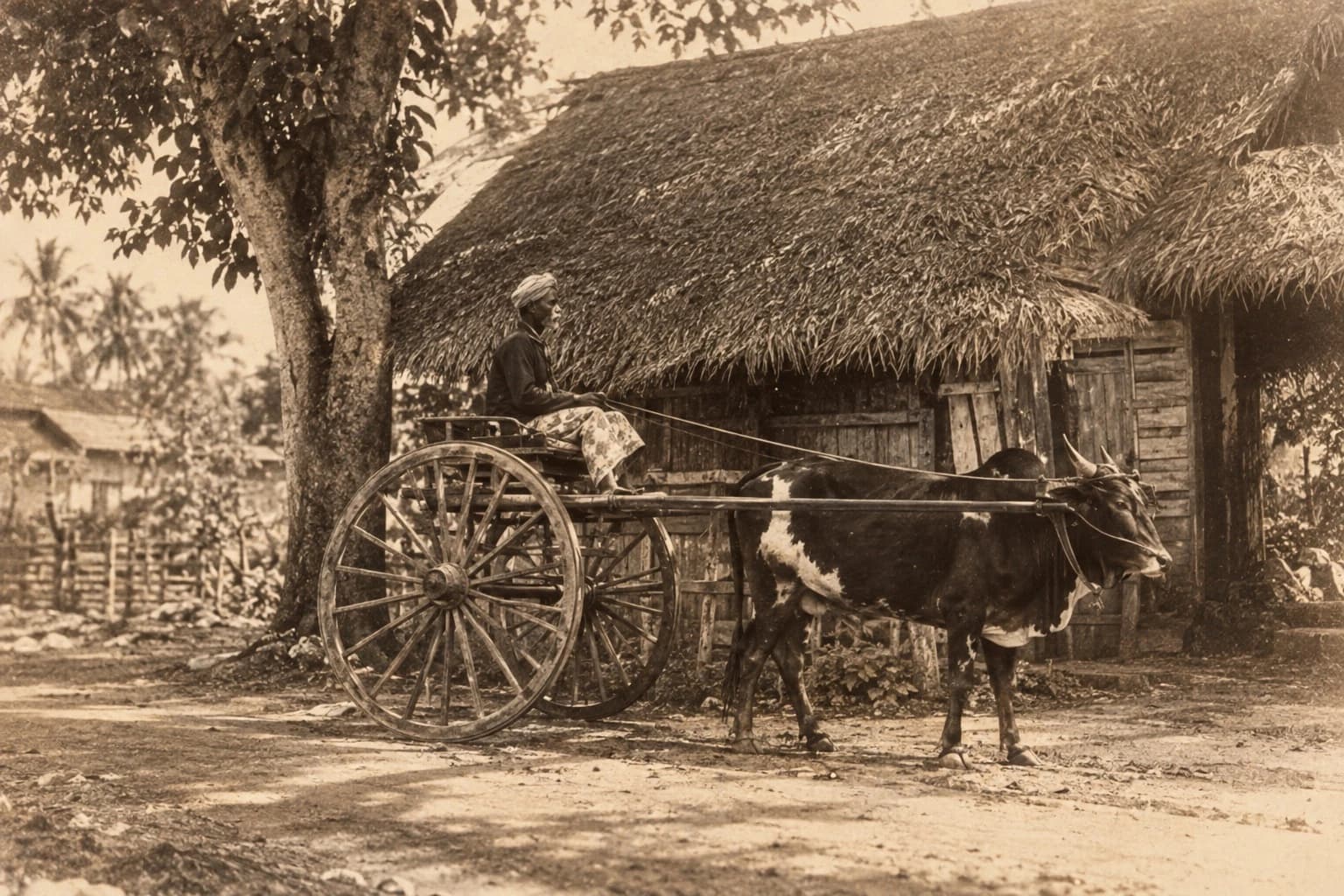
In old Ceylon, postcards captured the island through the eyes of travellers, photographers and colonial publishers. They showed Colombo’s harbour, Galle Face, Pettah streets, Kandy Lake, Peradeniya Gardens, Nuwara Eliya, tea plantations, railway stations, bullock carts, temples, churches, village roads and coastal scenes.
Many of these cards were sent to addresses in England. A single card might carry a line such as “Arrived safely in Colombo,” “The hills are wonderfully cool,” or “This is where we stayed last week.” Simple words like these can open an entire family story.
However, it is also important to read these postcards carefully. Many were created through a colonial lens. They often showed what visitors wanted to remember, rather than the full reality of life in Ceylon. They could romanticise plantations, labour, landscapes and empire. Today, their value lies not only in nostalgia, but also in what they reveal about memory, movement and the British presence in Sri Lanka.
The Postal Link Between Ceylon and England
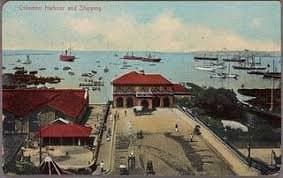
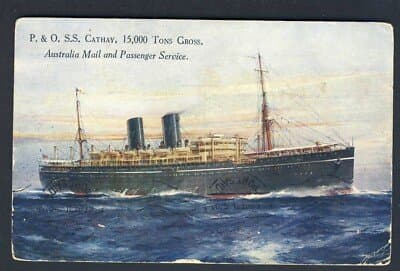
The story of old Ceylon postcards is closely tied to the island’s postal history. Under colonial rule, mail connected Ceylon to Britain through shipping routes, administrative networks and later railway-linked postal services.
Colombo became the main postal and commercial hub. Letters and postcards passed through the city before travelling by sea to England. For families today, a Colombo postmark on an old postcard can be the first clue in tracing a route across the island.
The old postal system also followed the expansion of roads, railways and plantations. Mail coaches, travelling post offices and railway routes helped move letters and cards between Colombo, Kandy, Galle, Peradeniya and the hill country. This is why many old cards from tea country eventually carried their messages back to England through Colombo.
A postcard might therefore show Nuwara Eliya, but its postmark may be Colombo. Another might feature Kandy, but have passed through a railway-linked postal route. These small details are useful for visitors who want to connect family history with actual places.
Colombo: The First Stop in the Postcard Trail
For many British-era travellers, Colombo was the entry point to Ceylon. Ships arrived at Colombo Harbour, and passengers stepped into a city of government offices, hotels, clubs, warehouses, churches and commercial streets.
Old postcards of Colombo often show the harbour, Queen Street, the General Post Office area, Galle Face, the Grand Oriental Hotel, Pettah, Fort and Mount Lavinia. These were not random views. They represented the city that many travellers from England first saw.
Today, Colombo remains the best place to begin a postcard-inspired journey. Visitors can walk through Fort, explore old commercial streets, see colonial-era buildings, visit the postal heritage connected to the city, and look for traces of addresses mentioned in old family papers.
Even where buildings have changed, the geography still speaks. The harbour is still there. Galle Face still faces the sea. Pettah still carries the energy of trade. Colombo is no longer the city shown on sepia cards, but it still holds the first chapter of many Ceylon stories.
Kandy, Peradeniya and the Road Inland
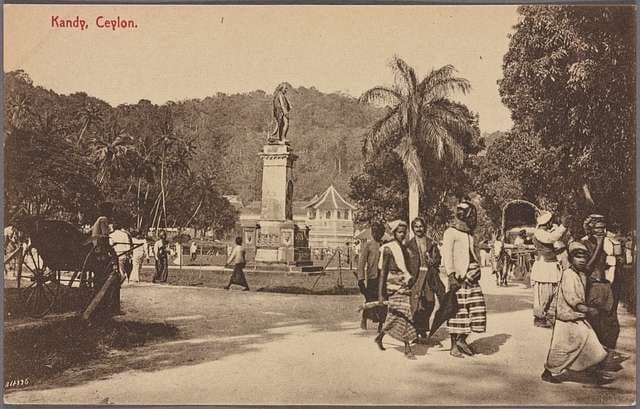
Many old Ceylon postcards sent to England featured Kandy and Peradeniya. Kandy was one of the island’s most photographed inland cities, with its lake, hills, colonial hotels, religious sites and botanical gardens.
For British visitors tracing family connections, Kandy can reveal several layers of history. Some ancestors may have passed through as administrators or soldiers. Others may have worked in plantations beyond the city. Some may have stayed in hotels, worshipped in churches, attended schools, or travelled by rail through the hill country.
Peradeniya is equally important. The Royal Botanical Gardens became a major site of scientific, botanical and colonial interest. For those following the history of tea, Peradeniya also matters because experimental tea plants were brought there before the commercial tea industry took root in the hills.
A postcard of Kandy Lake or Peradeniya Gardens may look decorative at first. But for the roots traveller, it may point towards a family route from Colombo into the interior of old Ceylon.
Tea Country: Where Many British Roots Lead
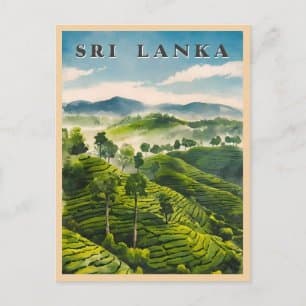
For many families in England, the strongest link to old Ceylon is tea.
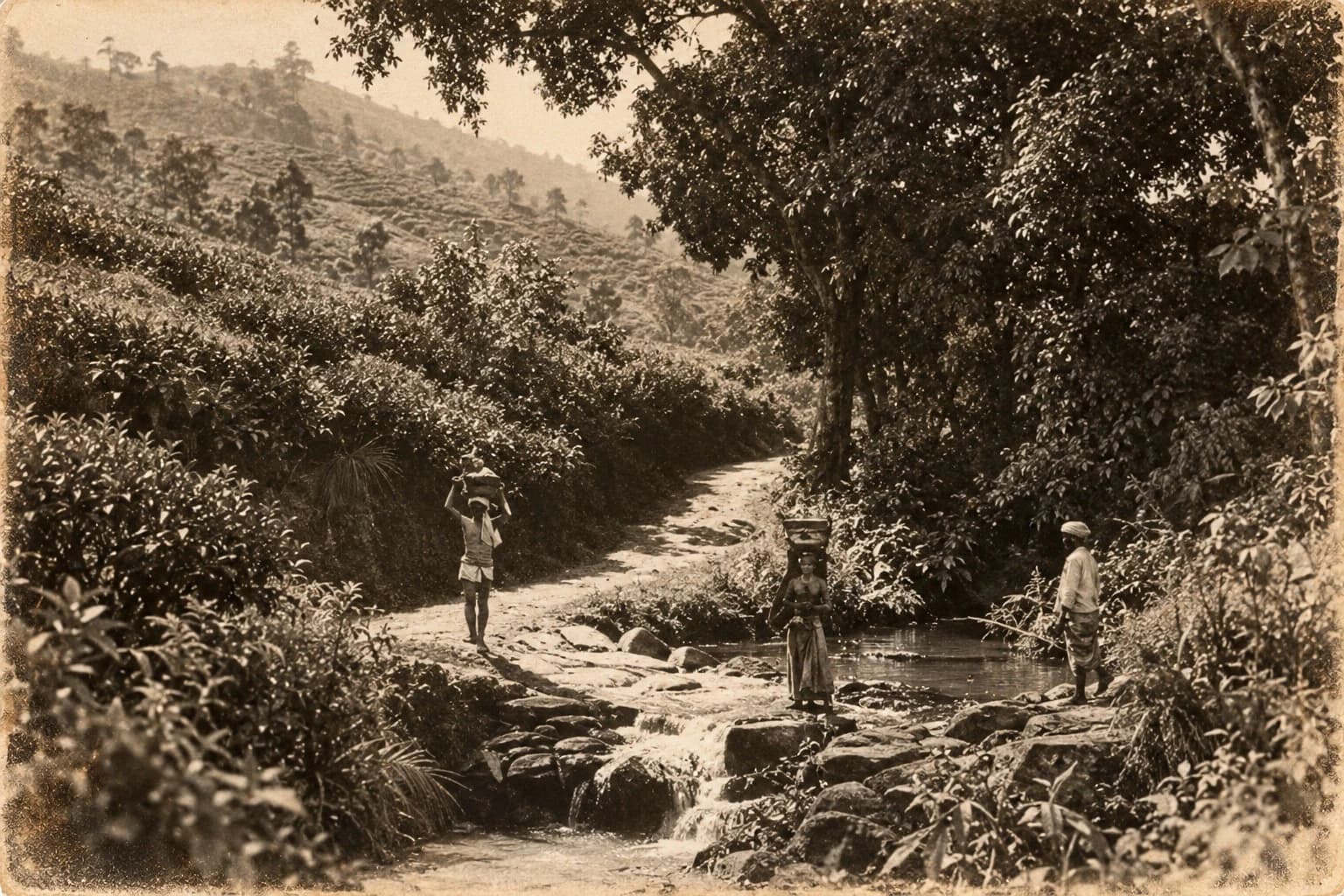
From the mid-nineteenth century onwards, the central highlands were transformed by plantation agriculture. Coffee came first, and then tea rose to dominate the landscape after the coffee industry collapsed. Estates, bungalows, factories, railway stations and hill towns became part of the British colonial economy.
Old postcards from tea country often show Nuwara Eliya, Hatton, Haputale, Bandarawela, Badulla, Talawakelle, Kandy and estate landscapes. These images are especially meaningful for descendants of planters, estate managers, engineers, railway workers, doctors, teachers and clergy who lived or worked in the hill country.
Nuwara Eliya is one of the most recognisable postcard locations. Known for its cool climate, lake, racecourse, gardens and British-style architecture, it often appeared as a familiar-looking landscape for people writing home to England. A postcard from Nuwara Eliya may have been chosen because it looked both foreign and strangely familiar.
Yet tea country must be understood honestly. The beauty of the estates is inseparable from the labour of generations of workers, especially Tamil communities brought to Ceylon under colonial plantation systems. A meaningful roots journey should therefore look beyond the bungalow and the view. It should also recognise the people whose labour made Ceylon tea famous.
Galle, the Coast and the Journey by Sea
Not every postcard trail leads inland. Some lead along the coast.
Galle, with its fort, harbour, churches, streets and sea-facing walls, appears frequently in old images of Ceylon. Before Colombo became dominant, Galle had long been a key maritime gateway. Even during the British period, it remained a place of military, trading and colonial interest.
Postcards of Galle Fort, Mount Lavinia, coastal roads, fishing scenes and palm-fringed beaches often reached England as symbols of tropical Ceylon. For visitors today, these cards can inspire a different kind of journey: one that follows the sea routes, port towns and coastal settlements connected to travel and empire.
Walking through Galle Fort today can feel like stepping into a layered archive. Dutch, British, Sri Lankan and global histories meet within its walls. A family postcard may show one building, but the place itself tells a much wider story.
How English Visitors Can Trace Their Ceylon Roots
If you have an old Ceylon postcard in England, start by studying it carefully before you travel.
Look for the caption on the front. Old spellings matter. Nuwara Eliya may appear as Nuwara-Eliya. Sri Lanka will appear as Ceylon. Some estate names, railway towns and districts may have changed spelling or usage over time.
Next, examine the postmark. It may show Colombo, Kandy, Galle, Nanu Oya, Badulla or another postal point. The date can help place the card within a family timeline.
Then read the message. Even a few words can help. A reference to “the estate,” “the bungalow,” “the regiment,” “the mission,” “the hotel,” or “the voyage home” may provide a clue.
Family names should be checked against church records, cemetery records, plantation records, military records, passenger lists, old newspapers and archives. Some records are in Sri Lanka, while others are in the United Kingdom. Many colonial photographs and albums of Ceylon also ended up outside Sri Lanka, especially in British collections and private family holdings.
When visiting Sri Lanka, bring copies of the postcards, not just phone images. Show them to local historians, guides, archivists, hotel staff, estate contacts and community elders. A faded building or landscape may still be recognisable to someone on the ground.
A Suggested Postcard Heritage Route
A visitor from England tracing old Ceylon through postcards could begin in Colombo, exploring Fort, Pettah, Galle Face, the old postal quarter and harbour area.
From there, the journey could continue to Galle for coastal and maritime history. The next stage could move inland to Kandy and Peradeniya, where botanical, royal, religious and colonial-era stories overlap.
The final stage could follow the railway into tea country. Nuwara Eliya, Hatton, Haputale, Bandarawela and Badulla all offer possible links to plantation-era postcards. Depending on the family story, the route may include an old estate bungalow, a church, a cemetery, a railway station, or a town once named in a message sent home to England.
This is not just sightseeing. It is a form of historical return.
Why These Small Cards Still Speak
Old Ceylon postcards are small, but they carry long journeys. They moved across oceans. They passed through colonial postal systems. They reached homes in England. They survived wars, moves, marriages, deaths and changing generations.
Today, they invite a different kind of travel to Sri Lanka. Not only to see beaches, wildlife and temples, but to understand the island through memory, migration, empire, family and place.
For British visitors with Ceylon connections, a postcard may be the beginning of a deeply personal journey. It may lead to a harbour, a hotel, a hill station, a tea estate, a churchyard, a railway platform, or a street that still exists under another name.
In that moment, the past is no longer only an image. It becomes a place you can stand in.
And perhaps that is the quiet magic of old Ceylon postcards. They were sent to say, “I was here.”
More than a century later, they still ask us to come and see where “here” was.
Visit Us: https://trippingsrilanka.com/stories