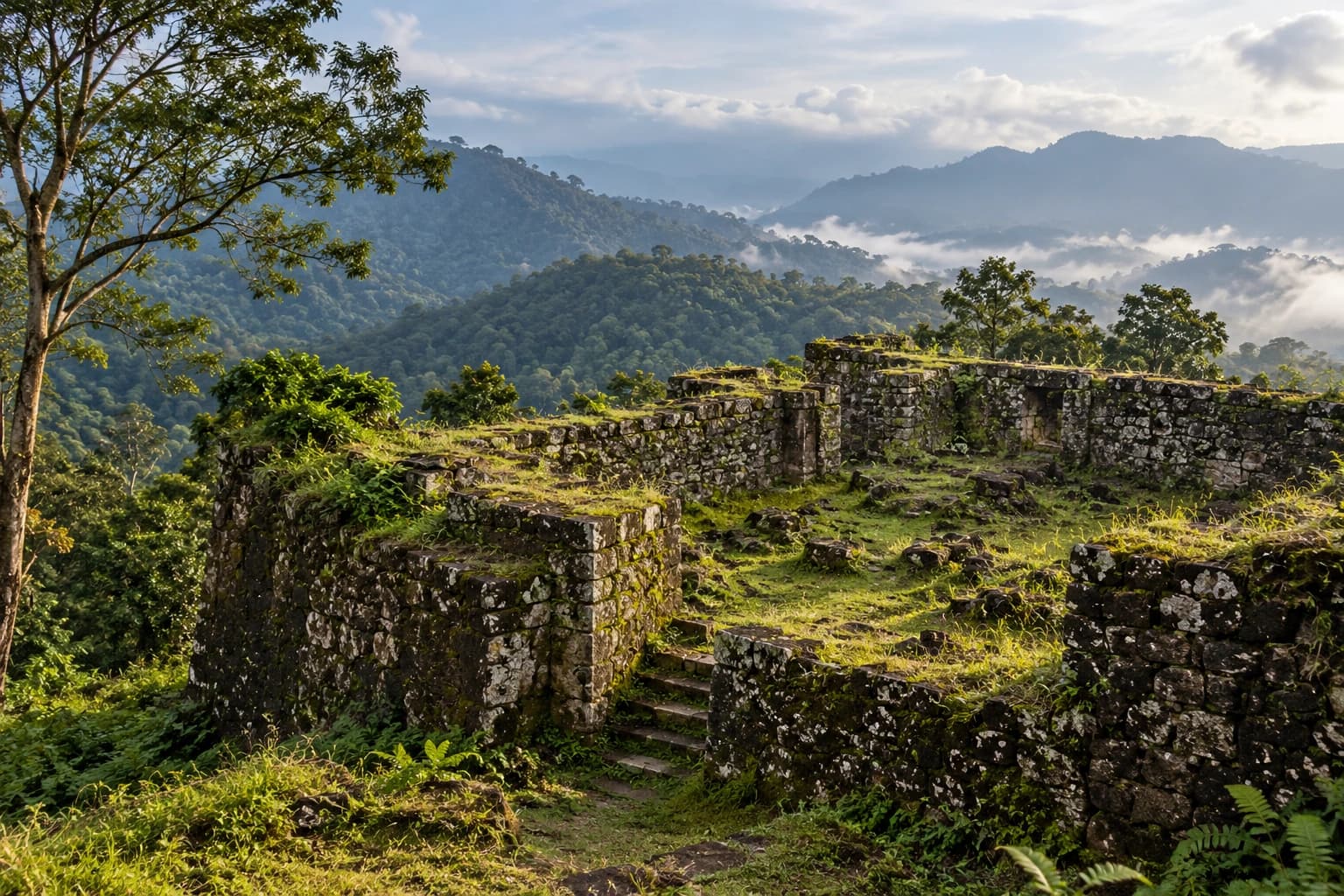
Queen’s Cottage: The 19th-Century English Country House of Nuwara Eliya
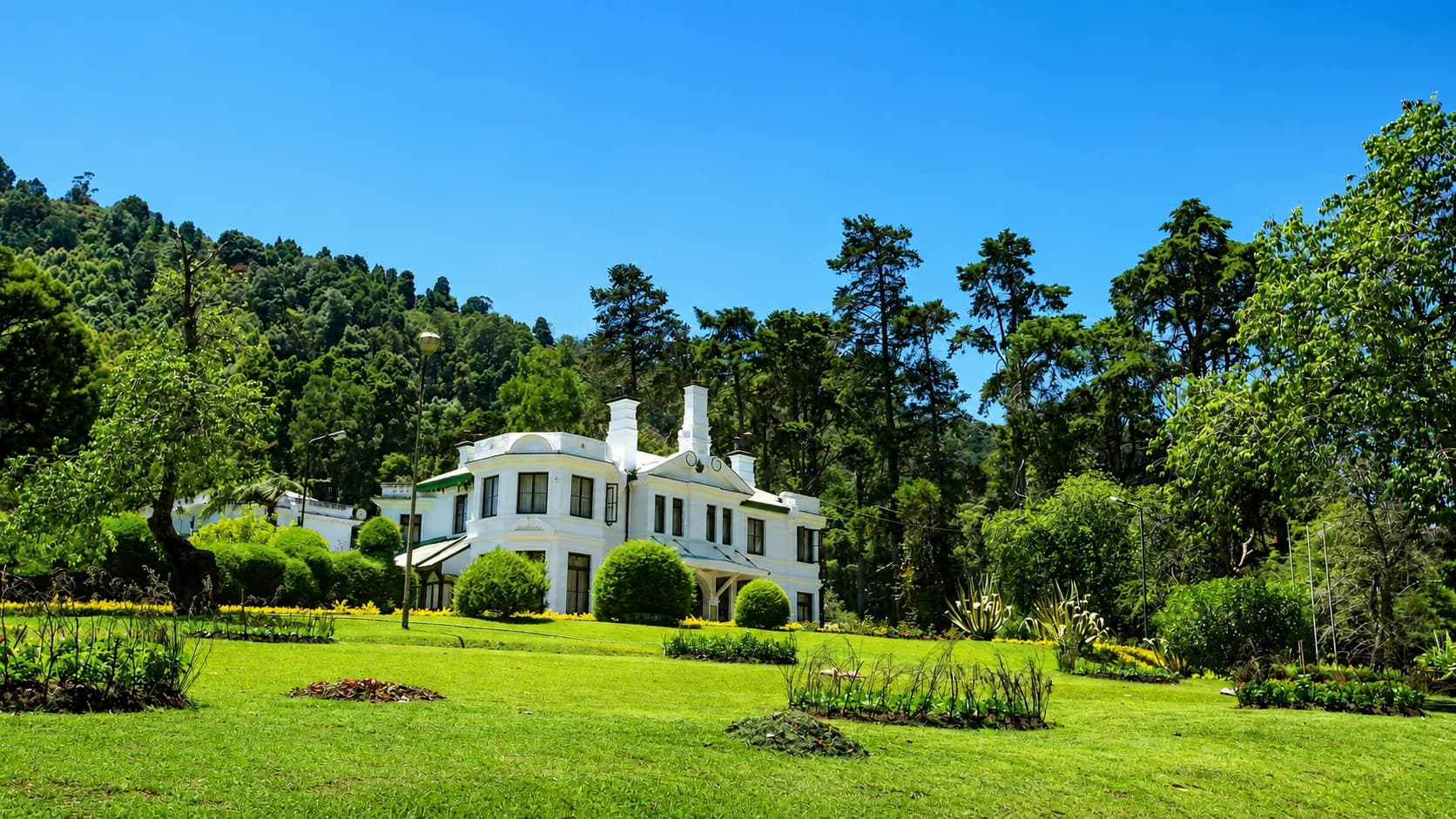
A Hill-Country Residence from Old Ceylon
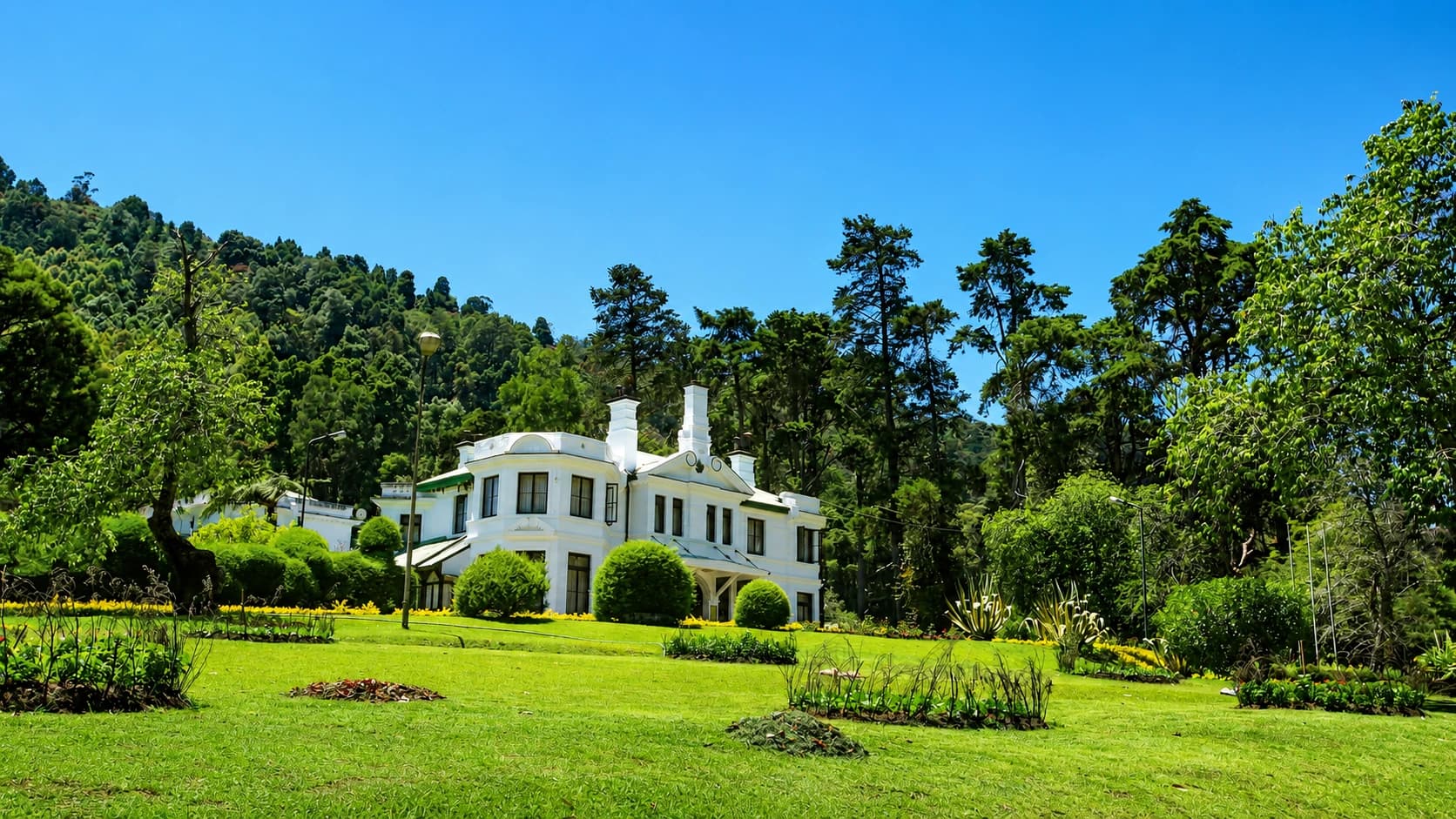
In the cool highlands of Nuwara Eliya, along Queen Elizabeth Drive, stands one of the most atmospheric colonial residences in Sri Lanka: Queen’s Cottage, also known as the President’s House or The Lodge.
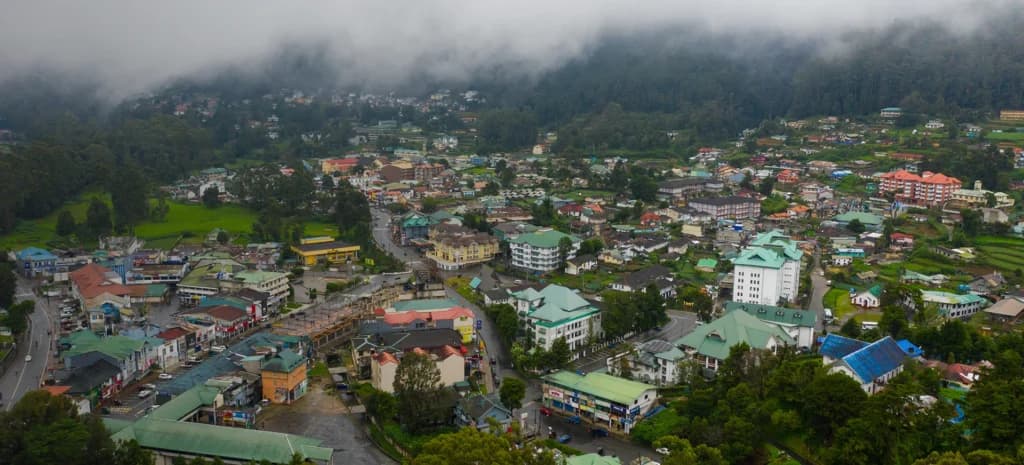
Built in the late nineteenth century as an English-style country house, this historic residence belongs to the world that made Nuwara Eliya famous as “Little England.” It was created as a summer retreat for the Governor of Ceylon, offering escape from the heat of Colombo and a setting of cool air, gardens, mist, and mountain scenery.
For travellers interested in Old Ceylon, Queen’s Cottage is more than a beautiful old house. It represents the way British officials transformed Nuwara Eliya into a hill station of cottages, gardens, clubs, golf, post offices, churches, and country houses.
Check our previous article –https://trippingsrilanka.com/stories/governors-pavilion-kandy-palace
Where Is Queen’s Cottage?
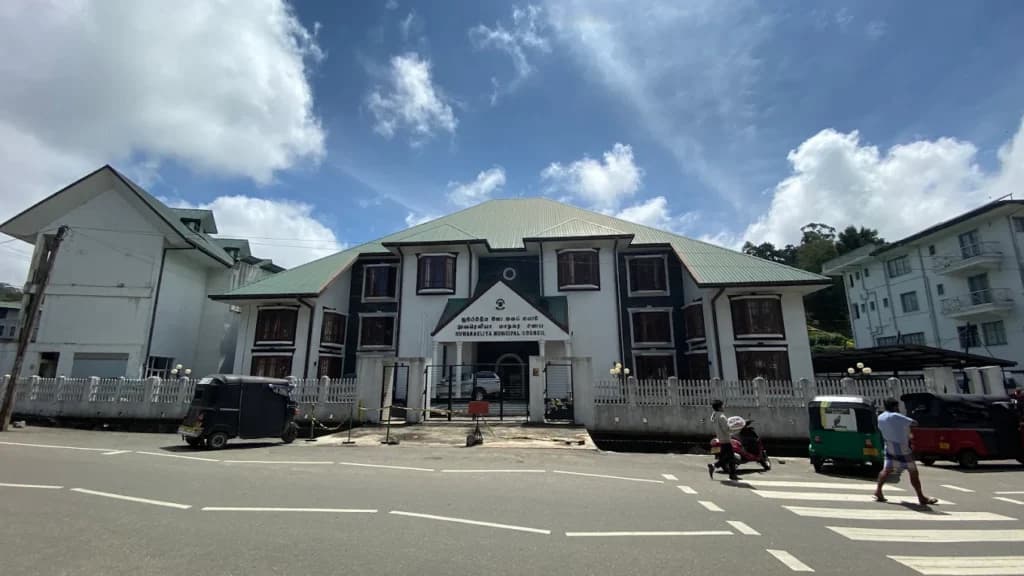
Queen’s Cottage is located within the limits of the Nuwara Eliya Municipal Council, along Queen Elizabeth Drive. The property is associated with the old official residential quarter of Nuwara Eliya, close to many of the town’s best-known colonial landmarks.
This location is important because Queen Elizabeth Drive itself carries the atmosphere of old hill-station planning. The area is connected to some of Nuwara Eliya’s most recognisable colonial-era buildings and civic spaces.
Nearby, visitors can explore places such as the Nuwara Eliya Post Office, Victoria Park, the Grand Hotel area, old clubs, churches, and the town’s famous golf-course landscape.
Queen’s Cottage fits naturally into this setting. It is part of the official and residential world of British Nuwara Eliya.
Built as an English Country House
Queen’s Cottage was built as an English country house during the late nineteenth century. Public heritage references record that it was constructed by the British colonial administration as the summer residence of the Governor of Ceylon, with construction associated with Sir William Henry Gregory. It is commonly dated to the 1880s–1890s, with 1893 often given as the opening year.
The design reflected the kind of residence British officials expected in a cool-climate hill station. It was not meant to look like a tropical lowland mansion. Instead, it followed the language of the English country house: spacious rooms, sloping roofs, gardens, reception areas, and a sense of quiet retreat.
This is what makes the building so important to the story of Nuwara Eliya. It shows how the British tried to recreate a familiar English domestic world in the highlands of Ceylon.
Sir William Gregory and the Governor’s Retreat
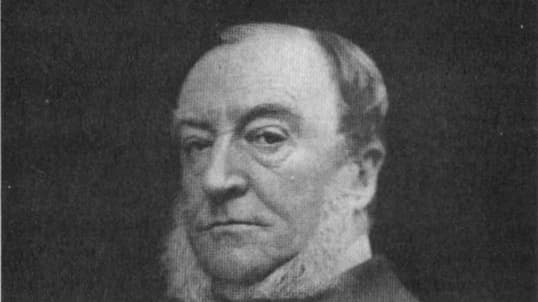
The history of Queen’s Cottage is closely linked with Sir William Gregory, Governor of Ceylon from 1872 to 1877.
Gregory was strongly associated with the development of Nuwara Eliya as a colonial hill station. The residence connected to him reflected the importance of having an official Governor’s retreat in the highlands.
During the British period, Colombo was the administrative capital, but its heat made hill-country retreats attractive to colonial officials. Nuwara Eliya offered a very different climate. It was cool, misty, and closer in atmosphere to a European summer station than to the coastal tropics.
Queen’s Cottage became part of that seasonal rhythm. Governors and their guests could leave Colombo and spend time in the hill country, surrounded by gardens, fresh air, and the social life of Nuwara Eliya.
Why Nuwara Eliya Became “Little England”
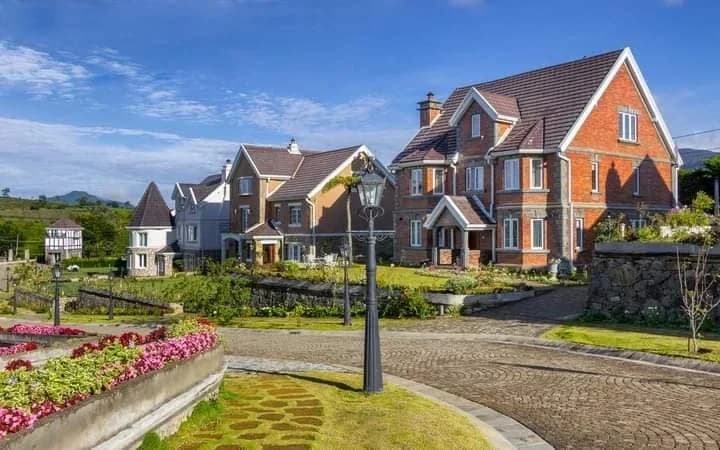
To understand Queen’s Cottage, one must understand the identity of Nuwara Eliya.
During the British period, Nuwara Eliya was developed as a hill station. Its cool climate, open landscapes, and high elevation made it attractive to colonial officials, planters, and visitors. Over time, it gained the nickname “Little England.”
This nickname came from more than weather. It was shaped by architecture and lifestyle.
Nuwara Eliya had English-style cottages, Tudor-style buildings, gardens, clubs, a racecourse, golf links, churches, hotels, and formal seasonal events. The town became a place where British society in Ceylon recreated parts of the world it had left behind.
Queen’s Cottage was one of the most prestigious examples of that world.
It was not merely a private bungalow. It was an official residence, connected to the highest levels of colonial government.
Check our previous article – https://trippingsrilanka.com/stories/nuwara-eliya-little-england
Architecture and Special Features
Queen’s Cottage is important because of its architectural character.
It reflects British residential design adapted to the cool climate of the central highlands. Historical references describe the property as having a British architectural style, with features such as tiled roofing and spacious grounds.
Special things to notice include:
- The English country-house character
- The cool-climate hill-station setting
- The official residence layout
- The garden and surrounding grounds
- The relationship between architecture and climate
- The building’s role in colonial ceremonial life
- Its survival as a protected heritage residence
Unlike many colonial buildings in Colombo or Galle, Queen’s Cottage belongs to the hill-country tradition. Its architecture was shaped by mist, cold weather, gardens, and seasonal residence.
A Protected Monument
Queen’s Cottage is recognised as a protected heritage site. It has been listed as a protected monument under Sri Lanka’s antiquities framework, reflecting its architectural and historical importance.
This protection matters because Nuwara Eliya’s colonial buildings are increasingly vulnerable to redevelopment, commercial alteration, and neglect. Hill-station heritage survives best when its buildings, gardens, streetscapes, and setting are preserved together.
Queen’s Cottage is valuable not only because of its age, but because it preserves the official residential character of old Nuwara Eliya.
It stands as a reminder that the town was once one of the most important seasonal centres of British Ceylon.
From Queen’s Cottage to President’s House
After independence, many colonial-era official residences were absorbed into the structures of the new state. Queen’s Cottage continued to hold official importance and became associated with the President of Sri Lanka.
This transformation gives the building an additional layer of meaning.
It began as a Governor’s hill-country residence under British rule. Later, it became part of the official state residences of independent Sri Lanka.
This journey from colonial Governor’s retreat to President’s House mirrors the wider transformation of Ceylon into modern Sri Lanka.
The building therefore carries both colonial and post-independence history.
A House Connected to Governors and Guests
During the British period, Queen’s Cottage was frequented by Governors of Ceylon and their guests, especially during the cooler hill-country season.
Such residences were not only places of rest. They were also part of official society.
Meetings, receptions, private gatherings, and informal political conversations could take place in these spaces. The Governor’s residence was a social and administrative centre, even when located far from Colombo.
In Nuwara Eliya, Queen’s Cottage helped turn the hill station into a seasonal seat of colonial society.
It connected leisure with power.
The Wider Heritage of Queen Elizabeth Drive
Queen Elizabeth Drive is important because it sits within one of the most historic parts of Nuwara Eliya.
The road and its surrounding area belong to the town’s old colonial landscape. Nearby buildings and sites still preserve the character of the hill station: red-brick architecture, English-style public buildings, gardens, hotels, and official residences.
A walk or drive around this area gives visitors a sense of why Nuwara Eliya was so different from other towns in Ceylon.
It was planned and imagined as a highland retreat. Queen’s Cottage was one of the most important residences within that vision.
Why Queen’s Cottage Matters to Old Ceylon
Queen’s Cottage matters because it tells several Old Ceylon stories at once.
It tells the story of British governors who escaped to the highlands from Colombo. It tells the story of Nuwara Eliya as Little England. It tells the story of official residences, colonial leisure, hill-station architecture, and the transformation of colonial property into post-independence state heritage.
It also reminds travellers that Nuwara Eliya’s beauty is not only natural.
The town’s identity was shaped by architecture, landscape planning, gardens, social clubs, roads, and public buildings. Queen’s Cottage is part of that wider composition.
For heritage travellers, it is one of the key places for understanding why Nuwara Eliya became the most English-looking town in Sri Lanka.
Special Things to Notice in the Nuwara Eliya Heritage Landscape
Even if Queen’s Cottage itself is not open for casual public visits, travellers can still appreciate its importance through the surrounding heritage landscape.
The Hill-Station Atmosphere
The cool air, mist, gardens, and old roads help explain why British officials valued Nuwara Eliya.
The English Country-House Idea
Queen’s Cottage reflects the attempt to recreate English residential comfort in the highlands of Ceylon.
Official Colonial Power
As a Governor’s residence, the building was connected to authority, rank, and ceremonial life.
Post-Independence Continuity
Its later use as President’s House shows how colonial buildings were reused by the Sri Lankan state.
The Little England Identity
The building is part of the wider story of Nuwara Eliya’s English-style townscape.
A Suggested Old Ceylon Route Around Queen’s Cottage
Travellers exploring Nuwara Eliya’s colonial heritage can include Queen’s Cottage as part of a wider route through the town’s historic core.
A meaningful route may include:
- Queen Elizabeth Drive
- Queen’s Cottage / President’s House exterior surroundings
- Nuwara Eliya Post Office
- Victoria Park
- Grand Hotel area
- Nuwara Eliya Golf Club
- Holy Trinity Church
- Hill Club surroundings
- Lake Gregory
- Old colonial cottages and garden roads
Together, these places create a strong picture of Nuwara Eliya as an Old Ceylon hill station.
Visiting Queen’s Cottage Today
Queen’s Cottage is an official residence, so it should not be treated like an ordinary tourist attraction. Public access may be restricted, and visitors should respect security rules and official boundaries.
However, its story remains essential for anyone exploring Nuwara Eliya’s heritage.
Even seeing the surrounding area helps place the building within the wider landscape of Little England. The roads, gardens, climate, and nearby colonial buildings all help visitors understand why this residence mattered.
For photographers, historians, and Old Ceylon travellers, Queen’s Cottage is best appreciated as part of a larger hill-country heritage walk.
Final Thoughts: A Country House That Still Defines Little England
Queen’s Cottage is one of the most important colonial residences in Nuwara Eliya.
Built as an English country house for the Governor of Ceylon, it helped define the official and social world of Little England. Its location on Queen Elizabeth Drive, its country-house character, its connection to British governors, and its later role as President’s House make it a building of deep historical value.
For Tripping Sri Lanka readers, Queen’s Cottage is more than an old residence.
It is a symbol of Nuwara Eliya’s transformation into a hill station, a reminder of colonial official life, and a surviving piece of Old Ceylon’s highland architecture.
In the misty streets of Nuwara Eliya, where gardens, cottages, churches, and old hotels still echo another era, Queen’s Cottage remains one of the most meaningful landmarks of Little England.
Visit Us: https://trippingsrilanka.com/stories
Heritage places mentioned
Queen s Cottage,Nuwara Eliya
More from Old Ceylon
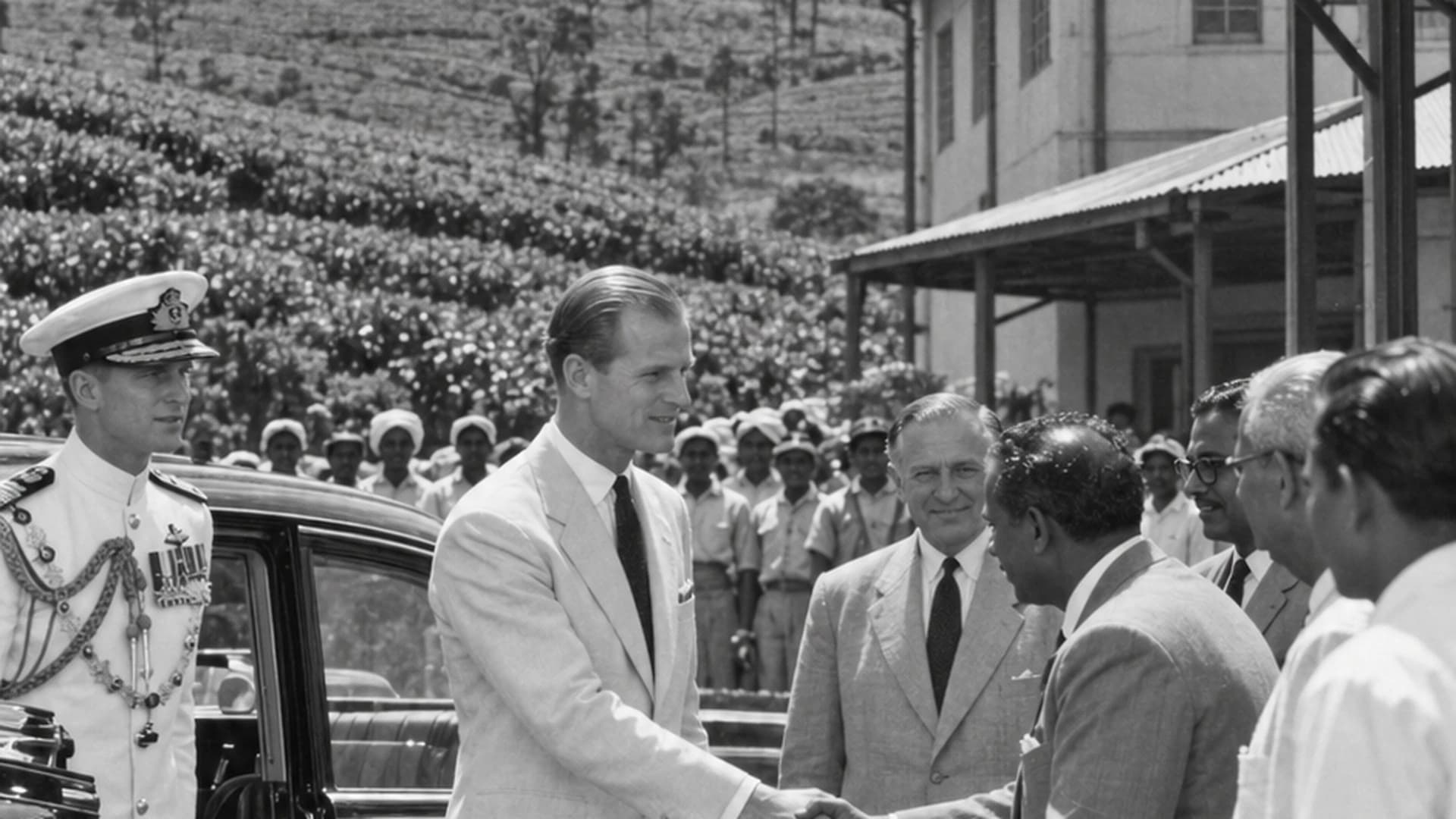
When Prince Philip Visited Pedro Estate: The Royal Visit That Became Part of Ceylon Tea History in 1954
When Five Cents Mattered: The Forgotten Small Change of Old Ceylon