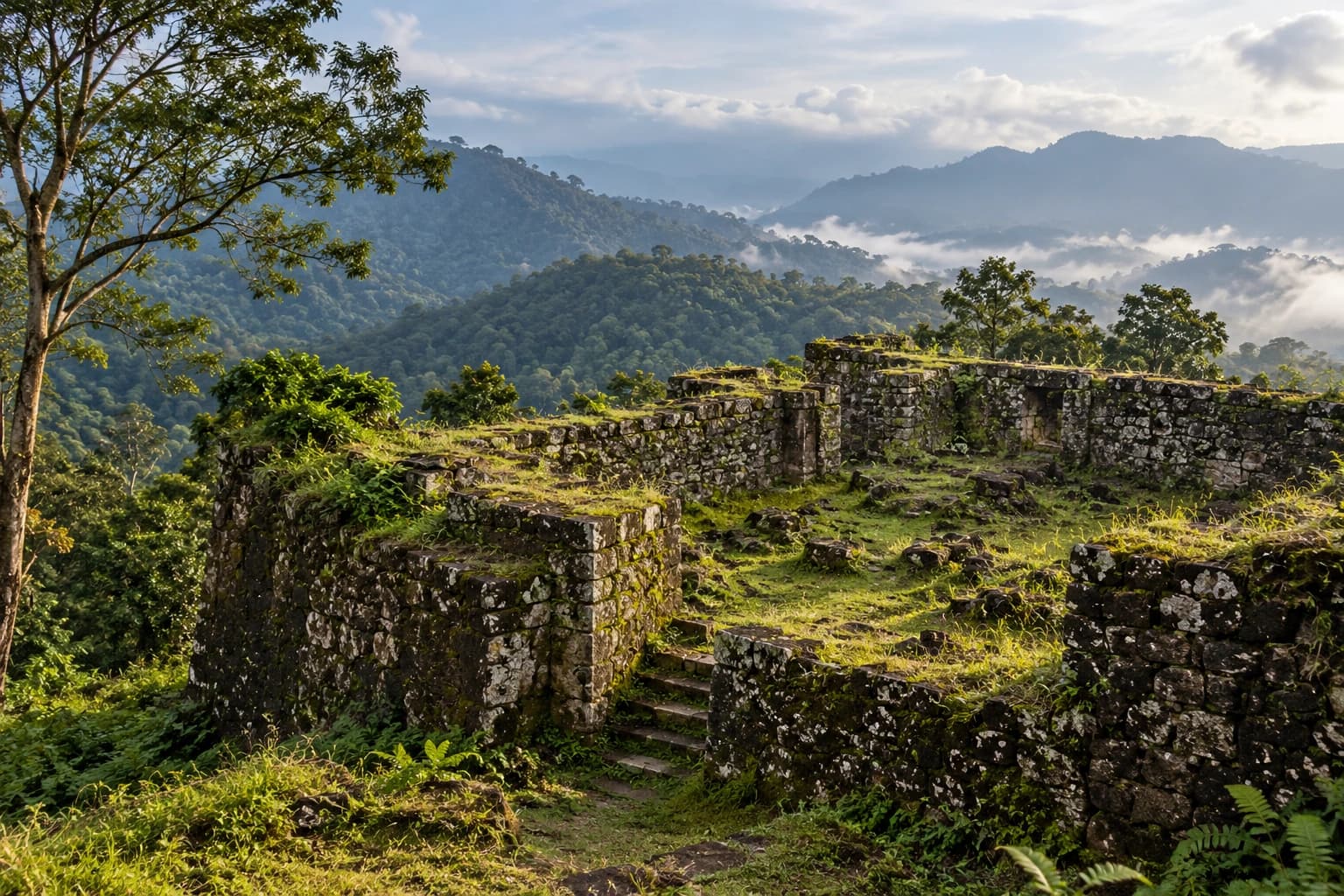

Ratnapura Sri Lanka|Ratnapura is one of Sri Lanka’s most evocative inland towns. Known as the “City of Gems”, it has long been associated with sapphires, rubies, cat’s-eyes and the rich gem-bearing valleys of Sabaragamuwa. But Ratnapura is more than a gem town. It is also a place where ancient trade, colonial interest, river geography, plantation routes and local craftsmanship came together to shape one of Old Ceylon’s most distinctive inland centres.
Unlike Colombo, Galle or Trincomalee, Ratnapura was not a coastal colonial city. It had no major harbour, no sea-facing ramparts and no naval base. Its importance came from the land beneath it. The valleys around Ratnapura held stones that were valued across kingdoms, empires and markets. That made the town important long before European rule, and it continued to matter during the colonial period.
For travellers interested in colonial Sri Lanka, Ratnapura offers a different kind of heritage story. It is not a polished fort town or a hill station created for British leisure. It is a working gem city, where history still moves through mines, markets, rivers, workshops and old town streets.
Check our previous article- https://trippingsrilanka.com/stories/badulla-sri-lanka
Diana’s Engagement Ring: The Royal Ceylon Sapphire
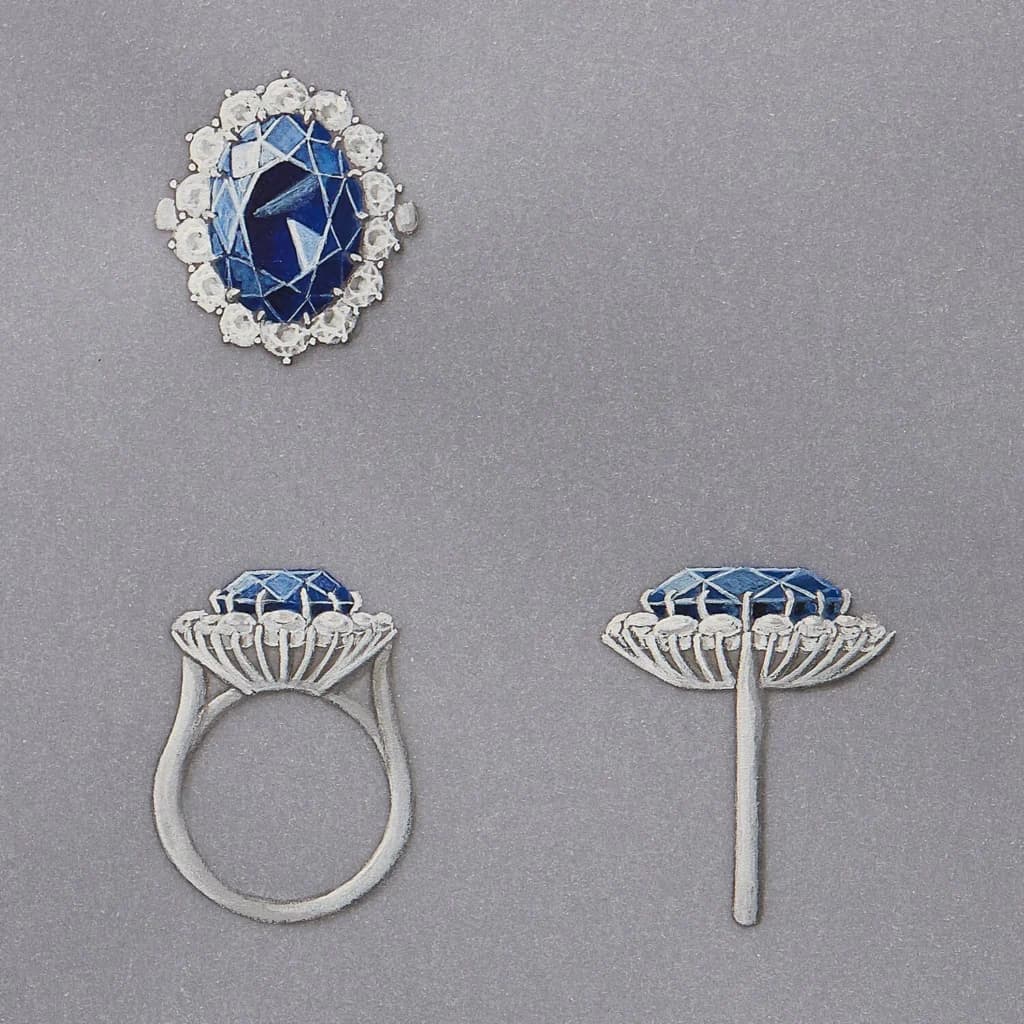
Princess Diana’s engagement ring is one of the most recognised sapphire rings in the world. Chosen by Lady Diana Spencer in 1981, the ring features a deep blue Ceylon sapphire surrounded by sparkling diamonds, creating a timeless design that became a symbol of royal elegance.
At the centre of the ring is a striking blue sapphire, widely associated with Sri Lanka’s famous Ceylon gems. For centuries, Ceylon sapphires have been admired for their rich colour, clarity and natural beauty, making them highly valued in royal and luxury jewellery.
From Princess Diana to Modern Royal History:The ring became iconic during Princess Diana’s lifetime and later gained new meaning when it was passed to Catherine, Princess of Wales. Its journey from one royal generation to another made it more than a piece of jewellery — it became a symbol of memory, love and legacy.
Diana’s engagement ring also highlights Sri Lanka’s long-standing reputation as the “Island of Gems”. From Ratnapura and other gem-rich regions, Ceylon sapphires have travelled across the world, appearing in crowns, collections and royal jewellery.
Why Ratnapura Matters in Colonial Sri Lanka
Ratnapura’s name itself reveals its identity. “Ratna” means gem and “pura” means city. The town’s fame is built on the gemstones found in the surrounding valleys, riverbeds and alluvial deposits. For centuries, Sri Lanka was known internationally for precious stones, and Ratnapura became one of the island’s most important gem-producing regions.
During the colonial period, European powers became interested in the wealth of Ceylon’s interior, including gems, spices, timber, graphite and plantation crops. Ratnapura’s gem trade made it part of this wider colonial economy, even though it was not a major colonial capital.
This is what makes colonial Ratnapura so interesting. Its importance did not depend on formal imperial architecture alone. It depended on a deeper economic geography: rivers, mining fields, traders, cutters, roads and the movement of stones from inland Sri Lanka to wider markets.
A Town on the Kalu River
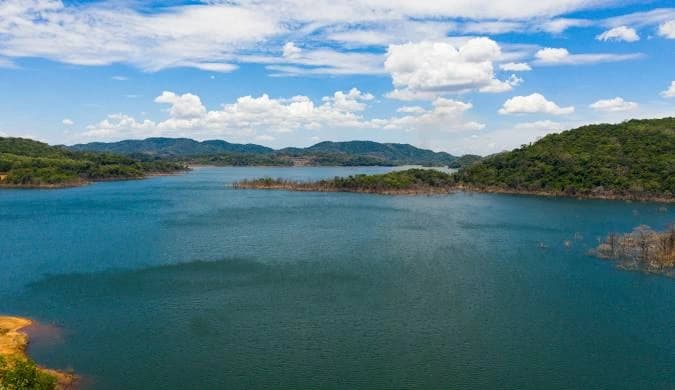
Ratnapura is situated on the Kalu River, one of the defining features of the town. The river shaped local settlement, transport, agriculture and gem mining. It also gave Ratnapura a strong relationship with the wet zone landscape of southwestern Sri Lanka.
The Kalu River and its surrounding valleys helped create the conditions for gem deposits. Over long periods, gems were carried and concentrated in river gravels and low-lying lands. This is why many traditional gem mines are found in paddy fields, valley floors and riverine areas.
For visitors, the river gives Ratnapura a softer atmosphere than many urban centres. It connects the town to rainfall, floods, mining, agriculture and movement. The river is not just scenery. It is part of the story of how Ratnapura became the gem city of Sri Lanka.
Ratnapura sri lanka Portuguese Fort Memory
Ratnapura also has a colonial military memory. Historical references note that a hill dominating the town was associated with a Portuguese fort. This reminds us that European interest in Ratnapura was not only commercial. It was also strategic.
The Portuguese were the first European colonial power to establish themselves strongly in coastal Ceylon, but they also pushed into the interior when political and military conditions allowed. A fortified presence at Ratnapura reflected the importance of controlling inland routes and valuable regions.
Today, the fort itself does not survive in the way Galle Fort or Jaffna Fort does. Ratnapura’s colonial memory is more fragmented. It exists in place names, scattered references, older town geography and the continuing importance of the gem trade. This makes it less obvious, but also more intriguing for heritage travellers.
The Gem Trade Before and During Colonial Ceylon
Ratnapura’s gem story is much older than colonial rule. Sri Lanka’s stones were known to travellers and traders from ancient times. Sapphires, rubies, spinels, garnets, cat’s-eyes and other gems travelled through regional and international networks long before Europeans arrived.
Colonial rule changed the context of that trade. European administrators, merchants and collectors became part of the wider economy of gemstones. Stones from the interior could move through colonial trade routes towards Colombo and overseas markets. The town’s gem identity therefore continued, but under new systems of power, taxation, transport and global demand.
For history readers, Ratnapura is valuable because it shows how ancient industries were absorbed into colonial economies. The British did not create the gem trade, but colonial infrastructure and commercial networks changed how the trade connected to the outside world.
Traditional Gem Mining and Local Knowledge
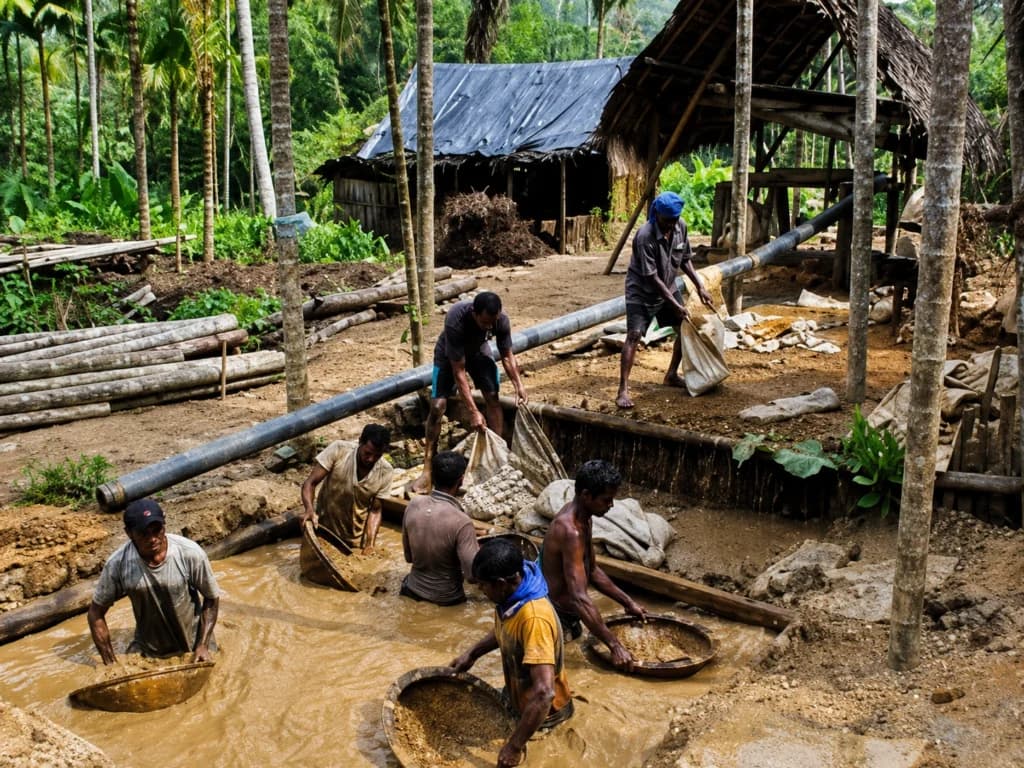
One of the most fascinating aspects of Ratnapura is the survival of traditional gem-mining knowledge. Gem mining in the region has long depended on experience, local geology, careful digging and water-based washing methods. Miners look for gem-bearing gravel, locally known as illam, and separate heavier stones from sand and earth.
Traditional mining is not simply manual labour. It is skilled work. Generations of miners learned how to read soil, water, gravel layers and landscape signs. In many ways, Ratnapura’s gem heritage belongs as much to local knowledge as to commerce.
For travellers, visiting a gem mine or learning about the mining process can be one of the most memorable experiences in Ratnapura. It reveals the human side of the gem trade: muddy hands, careful washing, patient sorting and the hope that one stone may change a life.
Gem Cutting, Trading and the Town’s Commercial Life
Ratnapura’s streets are closely tied to the gem business. Traders, brokers, cutters and buyers form part of the town’s everyday rhythm. Parcels of stones are examined carefully. Deals depend on trust, experience and sharp eyes. The value of a gem can be hidden beneath mud, revealed by cutting, and transformed by polish.
Gem cutting is especially important. A rough stone may contain beauty, but skill is needed to bring that beauty to light. The cutting process determines brilliance, shape and final value. In this sense, Ratnapura’s gem industry is not only about mining. It is also about craftsmanship.
This commercial culture gives Ratnapura a unique atmosphere. It is a town where geology, labour, trade and artistry meet. That is why colonial Ratnapura should be understood as a working heritage city, not just a place with old buildings.
British Ceylon and Inland Travel
During British rule, inland towns became increasingly connected through roads, administration and plantation routes. Ratnapura sat within a region that linked the wet zone, Sabaragamuwa, Adam’s Peak routes and areas of tea, rubber and agricultural production.
The British period changed how travellers and goods moved across Sri Lanka. Even towns without major harbours became part of colonial infrastructure. Ratnapura’s position made it important as an inland centre between Colombo, the hill country and the southern wet-zone landscapes.
This gives the town a different colonial character from Nuwara Eliya or Bandarawela. Ratnapura was not primarily a cool retreat. It was a practical inland town, shaped by trade, rainfall, agriculture and gems.
Maha Saman Devalaya and Older Sacred Heritage
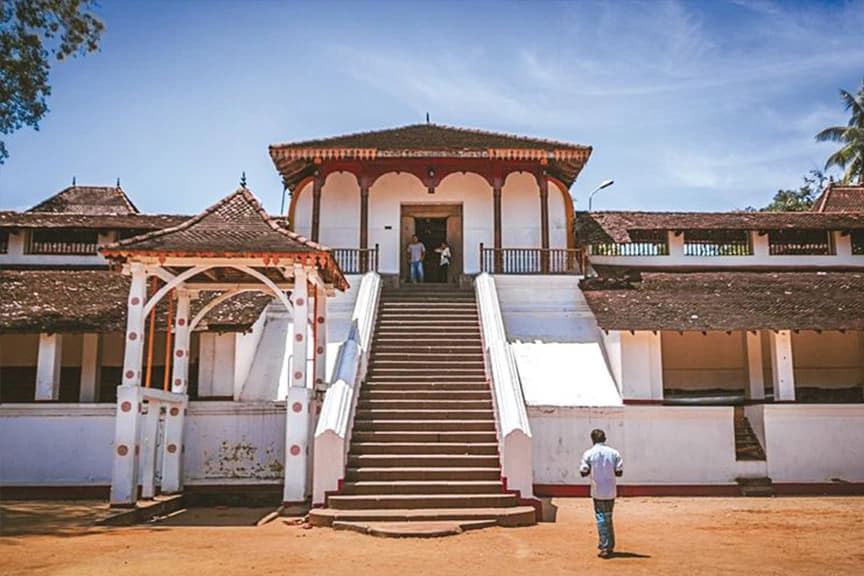
No visit to Ratnapura should focus only on colonial history. The town has a much older sacred identity, especially through Maha Saman Devalaya, one of the most important religious sites in the region. The deity Saman is closely associated with Sabaragamuwa and Adam’s Peak, and the devalaya remains central to local religious life.
This older sacred layer is important because it shows that Ratnapura was never merely a colonial resource town. It was already part of Sri Lanka’s cultural and religious landscape before European powers arrived.
For travellers, the contrast is meaningful. In Ratnapura, gem commerce, colonial memory and sacred tradition exist close together. That layered identity makes the town far richer than a simple “gem city” label suggests.
Adam’s Peak and the Pilgrimage Route
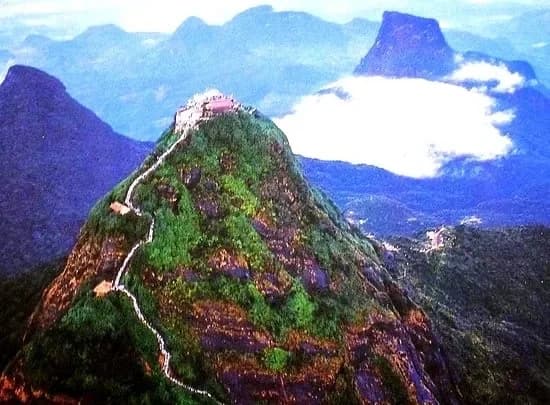
Ratnapura is also one of the gateways to Adam’s Peak, or Sri Pada, one of the most sacred mountains in Sri Lanka. The Ratnapura route is known as a longer and more demanding pilgrimage path, but it carries deep historical significance.
During the colonial period, Adam’s Peak fascinated European travellers, officials and writers. Many described the mountain, its religious importance and the pilgrim routes leading towards it. Ratnapura’s connection to Sri Pada therefore adds another dimension to its identity as an inland heritage town.
Visitors who use Ratnapura as a base for exploring the region can combine gem history with sacred geography, waterfalls, forest landscapes and pilgrimage culture.
The Atmosphere of Old Ratnapura
Ratnapura does not feel like a preserved colonial town in the obvious sense. Its heritage is more textured and less formal. You will find busy streets, gem shops, old public buildings, temples, river views, markets and roads leading into green hills.
That is exactly what makes it interesting. Colonial Ratnapura survives not through one grand monument, but through the continuity of trade. The town is still known for the same thing that made it famous centuries ago: gems.
For slow travellers, Ratnapura rewards attention. Watch the movement of people in the gem streets. Notice the old town layout. Visit a gem museum or mine. Walk near the river. Explore Maha Saman Devalaya. Look beyond the surface and the town begins to reveal its deep history.
Best Time to Visit Ratnapura
Ratnapura lies in Sri Lanka’s wet zone, so rain is part of its character. The town can be visited throughout the year, but travellers should be prepared for humid weather and sudden showers.
Morning is usually the best time to explore the town, visit gem-related sites and walk through local streets. If visiting mines, it is best to arrange a responsible and safe visit through a reliable guide or recognised operator.
Ratnapura also works well as part of a wider inland route that includes Adam’s Peak, Sinharaja, Udawalawe, Kitulgala or the southern hill country.
Why Ratnapura Deserves More Attention
Ratnapura deserves more attention because it tells a story of colonial Sri Lanka that is not centred on forts, tea bungalows or coastal ports. It shows how an ancient industry continued through the colonial period and into the modern economy.
The town also reveals the importance of inland Sri Lanka. Colonial Ceylon was not only a coastal story. Its wealth came from interiors, valleys, mines, plantations, forests and rivers. Ratnapura was part of that hidden geography of value.
For history readers, Ratnapura offers a rich subject: ancient gem fame, Portuguese fort memory, British-era trade networks, local mining knowledge and religious heritage. For travellers, it offers an offbeat inland stop with real atmosphere.
Final Thoughts: The Gem City of Old Ceylon
Ratnapura is one of Sri Lanka’s most distinctive heritage towns. Its identity is built on gems, but its story is broader than gemstones alone. It is a river town, a sacred town, a colonial inland centre and a gateway to some of the island’s most powerful landscapes.
To visit Ratnapura is to understand that colonial Ceylon was not only shaped by governors and forts. It was also shaped by miners, traders, cutters, pilgrims and river valleys. The stones that made Ratnapura famous came from the earth, but their value travelled far beyond the town.
For anyone exploring colonial Sri Lanka beyond the usual routes, Ratnapura is essential. It is the gem city of Old Ceylon — historic, working, humid, green and quietly unforgettable.
FAQs About Ratnapura
Why is Ratnapura called the City of Gems?
Ratnapura is called the City of Gems because the region has long been Sri Lanka’s chief source of precious and semi-precious stones, including sapphires, rubies and cat’s-eyes.
Is Ratnapura important in colonial Sri Lanka?
Yes. Ratnapura was important as an inland gem-trading town during colonial Ceylon, with older Portuguese fort memory and later links to British-era trade and transport networks.
What gems are found in Ratnapura?
Ratnapura is associated with sapphires, rubies, cat’s-eyes, garnets, spinels and other precious and semi-precious stones.
What can visitors see in Ratnapura?
Visitors can explore gem museums, gem-trading areas, traditional mining sites, Maha Saman Devalaya, Kalu River scenery and nearby routes towards Adam’s Peak and Sinharaja.
Is Ratnapura worth visiting?
Yes. Ratnapura is worth visiting for travellers interested in Sri Lanka’s gem trade, inland colonial history, sacred heritage and offbeat travel beyond the usual coastal and hill-country routes.
Visit Us: https://trippingsrilanka.com/stories
More from Old Ceylon
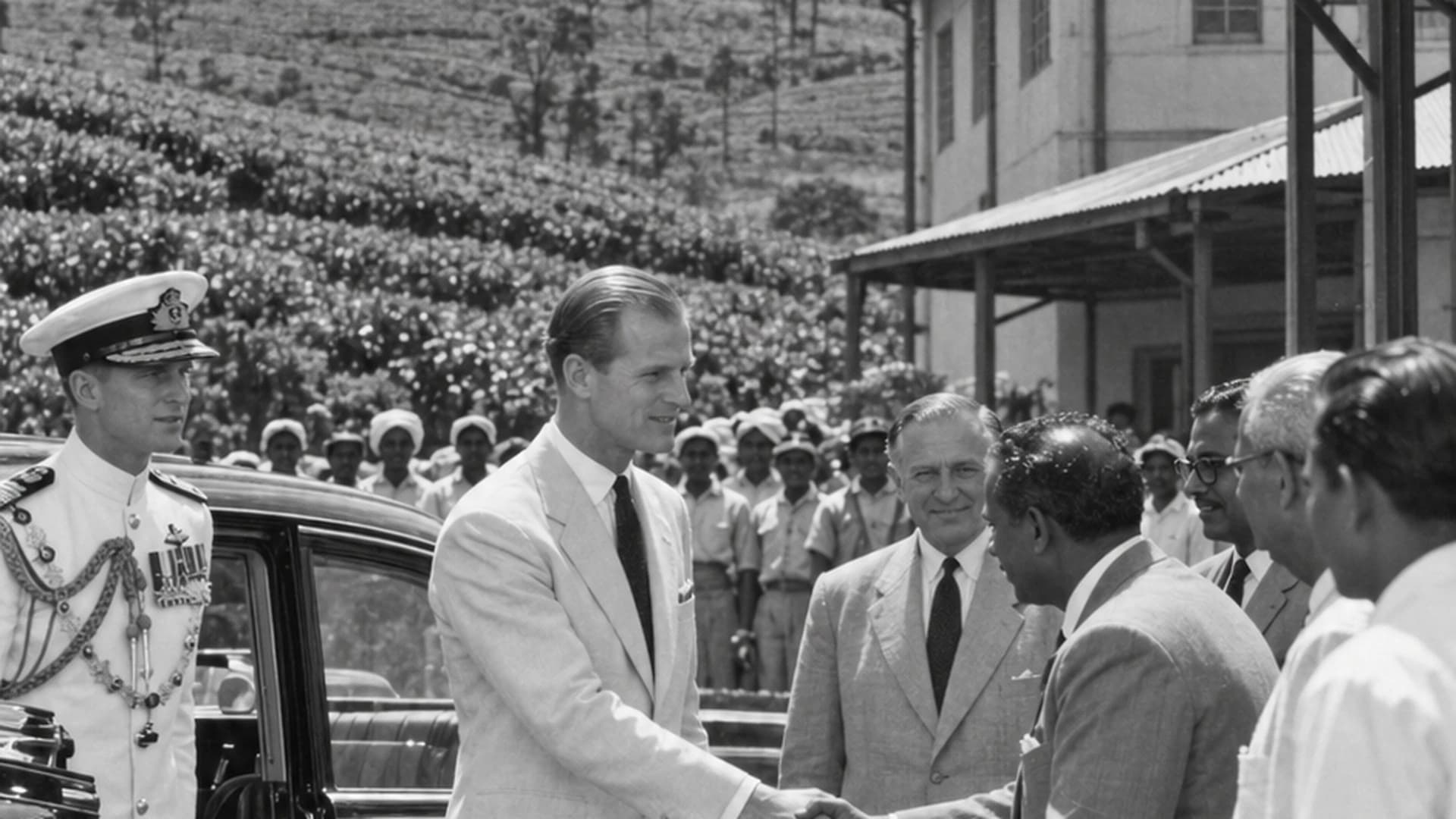
When Prince Philip Visited Pedro Estate: The Royal Visit That Became Part of Ceylon Tea History in 1954
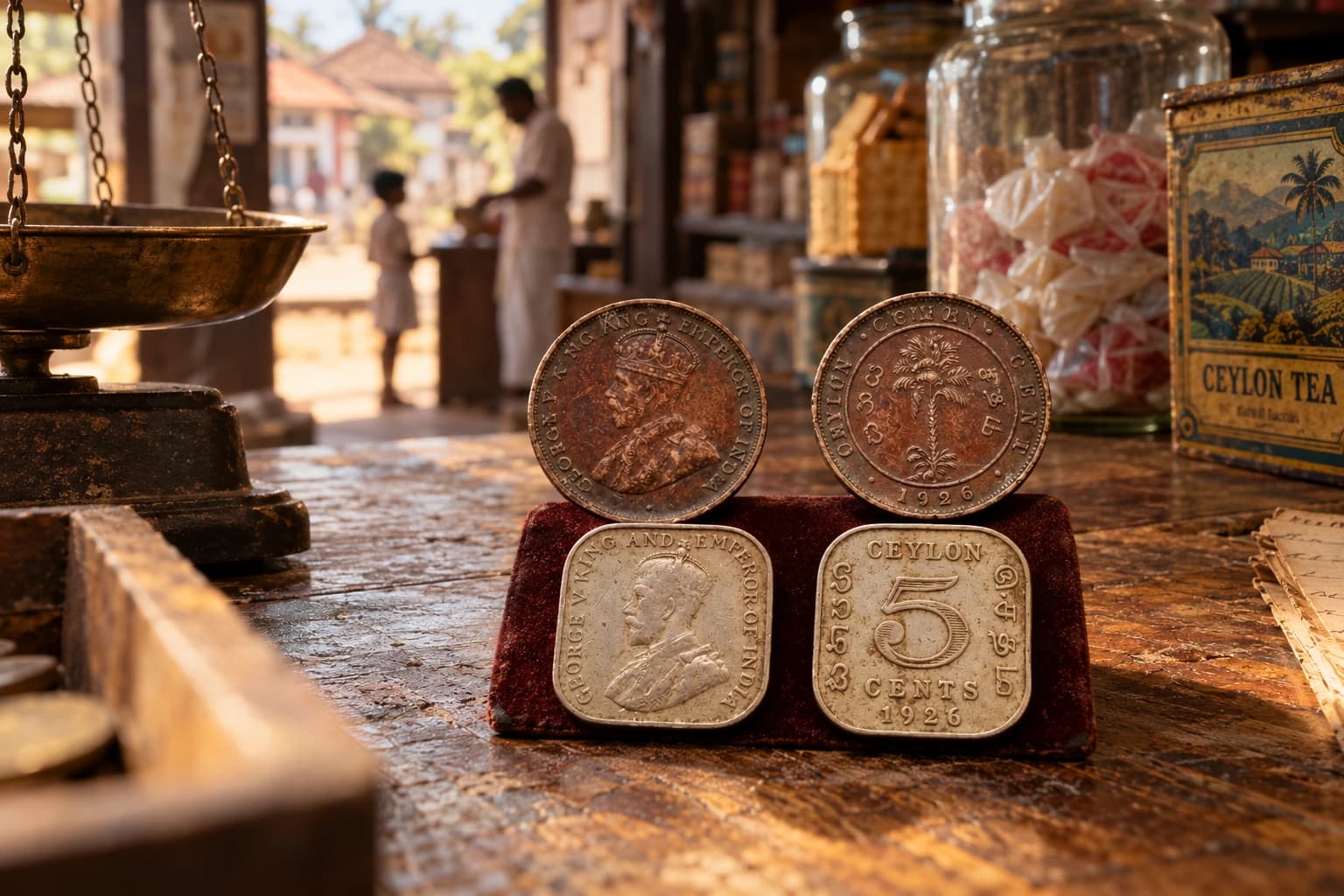
When Five Cents Mattered: The Forgotten Small Change of Old Ceylon