St Peter’s Church Colombo: A Historic Landmark with Centuries of Stories
Among Colombo’s modern skyline, busy streets, and bustling commercial districts stands a historic building that quietly preserves generations of stories. St Peter’s Church Colombo is one of the city’s oldest Anglican churches and remains an important landmark for visitors interested in architecture, history, and heritage.
While many travellers come to Sri Lanka for its beaches, wildlife, tea country, and ancient kingdoms, Colombo itself contains a remarkable collection of historic sites. St Peter’s Church is one of those places that rewards curious visitors who enjoy exploring beyond the usual tourist attractions.
Located in the heart of Colombo’s historic district, the church offers an opportunity to step back in time and discover a different side of the city. Its walls have witnessed centuries of change, from the growth of Colombo as a major port to the development of the modern capital we see today.
Whether you are interested in historic architecture, maritime history, family heritage, or simply discovering hidden gems in Colombo, St Peter’s Church is a fascinating place to visit.
Check our previous article- https://trippingsrilanka.com/stories/english-ancestors-in-ceylon
The Origins of St Peter’s Church Colombo
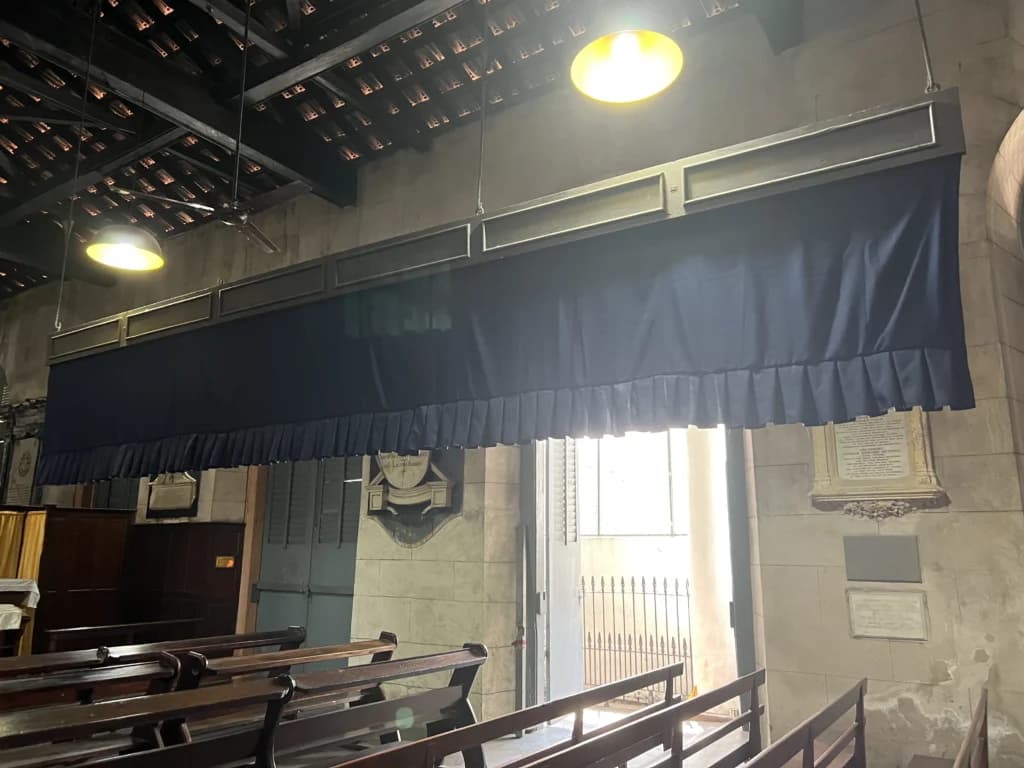
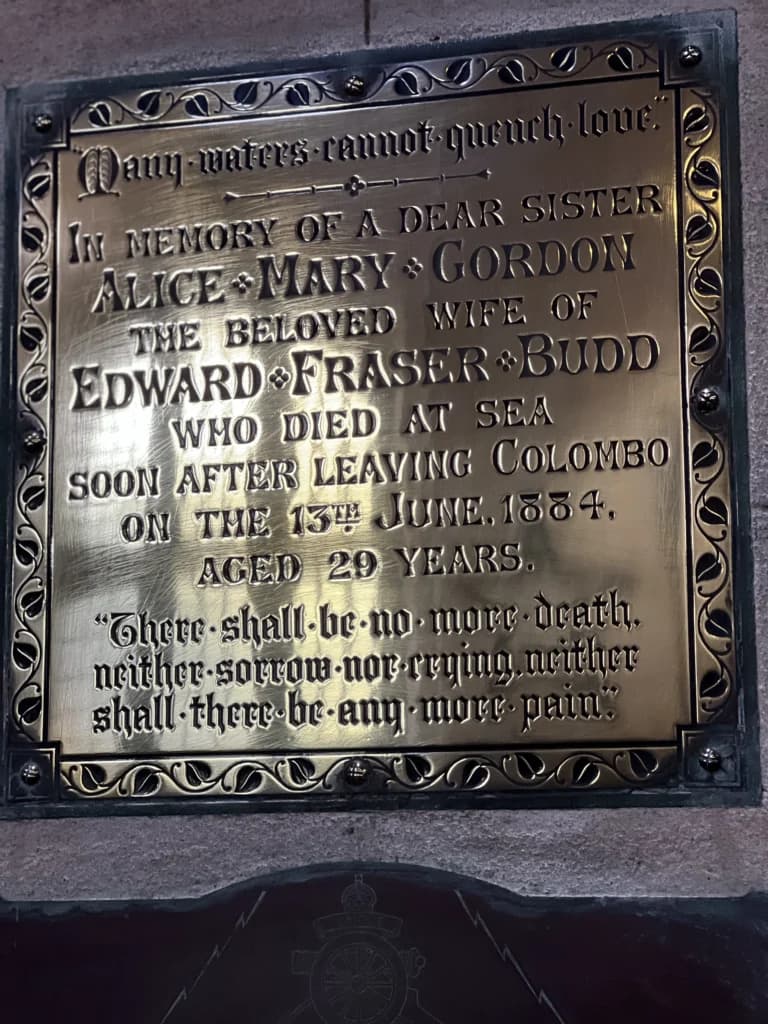
The history of St Peter’s Church is closely connected to the development of Colombo itself. Situated within one of the oldest parts of the city, the church occupies a location that has long been associated with administration, commerce, and community life.
The church was established during a period when Colombo was rapidly expanding as a centre of trade and governance. As the city grew, so did the need for places of worship that could serve the diverse community living and working in the area.
Over the years, St Peter’s Church became much more than a religious building. It evolved into a community landmark where important moments in people’s lives took place. Baptisms, weddings, memorial services, and community gatherings all contributed to the church’s rich history.
Today, visitors can still sense this long continuity. The church remains an active place of worship while also serving as an important heritage site that connects modern Colombo with its past.
A Church Connected to Colombo’s Maritime History
One of the most distinctive aspects of St Peter’s Church Colombo is its close connection to the city’s maritime history.
For centuries, Colombo has been one of the Indian Ocean’s most significant ports. Ships arriving from Europe, India, Southeast Asia, and beyond passed through the harbour, bringing merchants, sailors, travellers, and officials from across the world.
The area surrounding St Peter’s Church was deeply influenced by this maritime activity. Many of those who worked in shipping, trade, and harbour operations would have been familiar with the church.
Visitors today often find this connection particularly interesting because it provides a glimpse into Colombo’s role as an international gateway. Long before modern airports connected Sri Lanka to the world, the harbour was the island’s primary point of arrival and departure.
The church therefore became part of the daily life of a port city. It witnessed countless arrivals and departures, celebrations and farewells, and the movement of people across oceans.
This maritime heritage gives St Peter’s Church a character that sets it apart from many other historic churches in Sri Lanka.
Architecture That Reflects Another Era
One of the first things visitors notice about St Peter’s Church is its elegant and timeless appearance.
Unlike some of Colombo’s larger public buildings, the church possesses a quiet dignity. Its design reflects the architectural traditions of its time while remaining functional and welcoming.
A Simple Yet Elegant Design
The church demonstrates how thoughtful architecture can create beauty without excessive ornamentation. Its proportions, layout, and detailing create a sense of balance and harmony.
The structure reflects traditional Anglican church design while also responding to the tropical climate of Sri Lanka.
High Ceilings and Ventilation
Historic churches in tropical regions often incorporated features designed to improve comfort. High ceilings, large windows, and effective ventilation helped keep interiors cool even before modern air conditioning existed.
These practical design elements remain noticeable today and contribute to the pleasant atmosphere inside the church.
Historic Interior Features
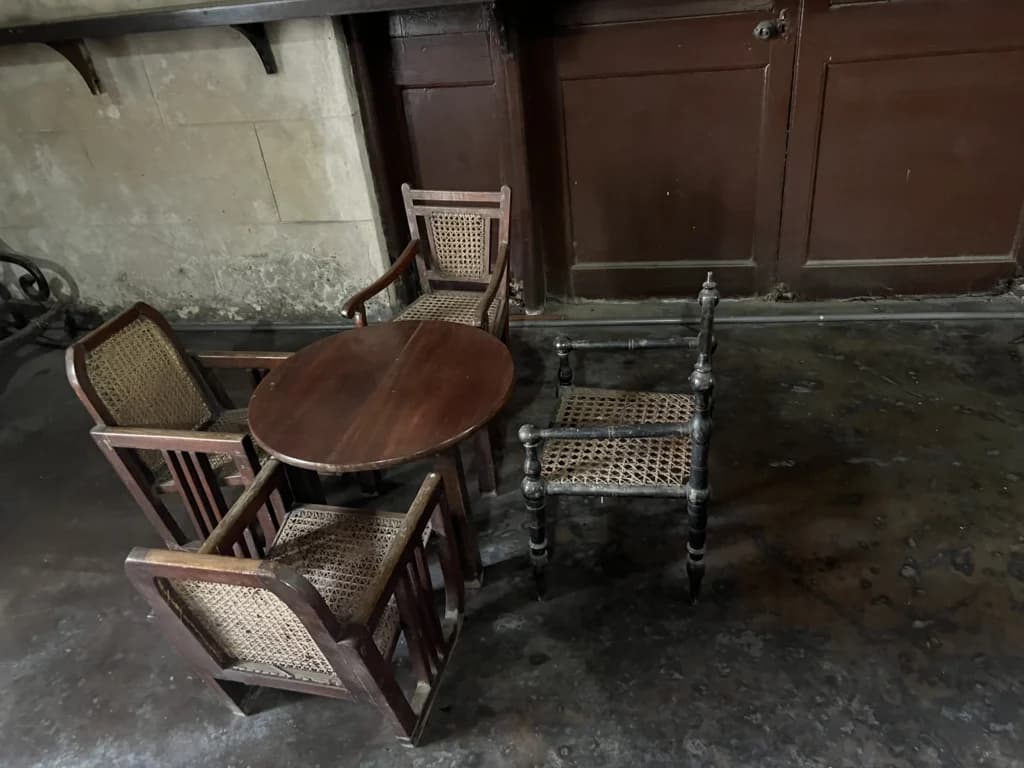
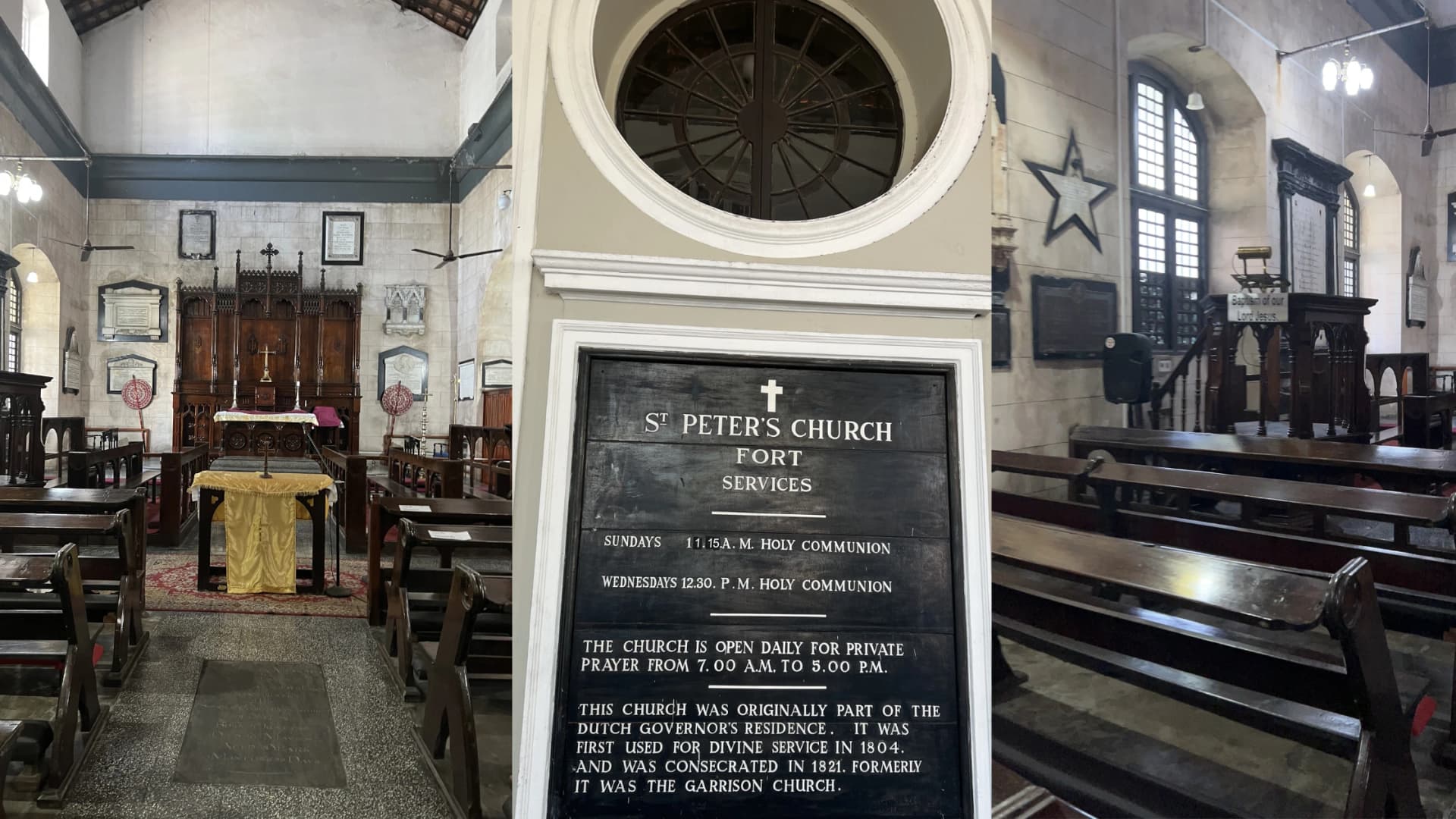
Visitors can admire a variety of historic details including traditional wooden pews, historic furnishings, memorial plaques, decorative elements, architectural woodwork and religious artefacts.
Together, these features help create an authentic heritage experience.
The Fascinating Memorials Inside
For many visitors, the memorials found within St Peter’s Church become one of the most memorable aspects of a visit.
Old churches often serve as archives of local history, and St Peter’s is no exception. The memorial plaques displayed throughout the church preserve the names and stories of people connected to Colombo across different periods of its history.
Some memorials commemorate individuals who contributed to the city’s development. Others honour those who spent their lives working in the harbour, serving their communities, or supporting local institutions.
Reading these inscriptions offers a surprisingly personal encounter with history.
Behind every name lies a story: a family that built a life in Colombo, a merchant involved in international trade, a sailor whose journeys crossed oceans, or a community leader remembered by those who knew them.
For heritage enthusiasts, these memorials transform the church from a historic building into a collection of human stories.
A Place of Reflection in a Busy City
One of the most appealing aspects of St Peter’s Church is the contrast between the church and its surroundings.
Outside, Colombo moves at a rapid pace. Vehicles pass continuously, businesses operate throughout the day, and people move between offices, markets, and transport hubs.
Inside the church, however, visitors often discover a remarkably peaceful environment.
The calm atmosphere encourages quiet reflection and appreciation of the building’s history. Many travellers find themselves spending longer than expected simply observing the architecture, reading inscriptions, or enjoying the sense of tranquillity.
This peaceful character makes the church especially rewarding for visitors who enjoy slow travel and meaningful cultural experiences.
Why Heritage Travellers Enjoy Visiting St Peter’s Church
Modern travellers increasingly seek experiences that help them understand the places they visit on a deeper level.
St Peter’s Church appeals to heritage travellers because it offers authenticity rather than spectacle. It provides insight into the everyday history of Colombo through architecture, community stories, and preserved traditions.
Historic Architecture
The church offers an opportunity to appreciate traditional design and craftsmanship that have survived for generations.
Maritime History
Its connection to Colombo’s harbour provides valuable context for understanding the city’s development.
Family History Research
Many visitors with ancestral connections to Sri Lanka enjoy exploring historic churches as part of their heritage journey.
Photography
The building’s architecture, memorials, and atmosphere provide excellent photographic opportunities.
Cultural Exploration
The church helps visitors understand how different communities contributed to Colombo’s growth over the centuries.
St Peter’s Church Today
Despite its historic significance, St Peter’s Church is not simply a preserved monument.
It remains an active place of worship and community gathering. Regular services continue to be held, ensuring that the church remains a living institution rather than a static museum.
This ongoing role adds another dimension to the visitor experience. The church is not only preserving history — it continues to create new memories for future generations.
Its continued use demonstrates how heritage buildings can remain relevant while retaining their historic character.
Tips for Visiting St Peter’s Church Colombo
If you plan to visit, a few simple considerations will help you make the most of your experience.
Visit During Daylight Hours
Natural light highlights many of the church’s architectural details and creates beautiful interior views.
Take Time to Read the Memorials
Many visitors rush through historic sites. At St Peter’s Church, the memorials often provide some of the most interesting insights.
Dress Respectfully
As an active place of worship, modest attire is appropriate.
Ask Before Photographing
Photography is generally appreciated when done respectfully, but it is always best to seek permission if staff are present.
Explore the Surrounding Historic Area
The church forms part of Colombo’s broader heritage landscape and can easily be combined with visits to nearby historic sites.
Other Historic Attractions Nearby
Visitors interested in Colombo’s history may wish to combine their visit with other nearby heritage landmarks.
These may include Colombo Fort, the old harbour district, historic government buildings, the Grand Oriental Hotel, Colombo National Museum, historic churches and cathedrals, and the old Parliament building.
Together, these attractions provide a fascinating introduction to the city’s past.
Final Thoughts
St Peter’s Church Colombo is one of those places that many visitors discover by chance but remember long afterwards.
Its appeal lies not in grandeur or scale but in atmosphere, history, and authenticity. The church tells the story of a city shaped by trade, travel, community, and faith. It preserves countless personal stories within its memorials and offers a peaceful retreat amid modern Colombo.
For travellers seeking a deeper understanding of Colombo, St Peter’s Church provides an enriching experience that goes beyond the typical tourist itinerary. It is a place where architecture, heritage, and human stories come together, making it one of the city’s most fascinating historic landmarks.
Visit Us: https://trippingsrilanka.com/stories