Tangalle as an Old Harbour Town: Southern Coast Stories Beyond the Beach
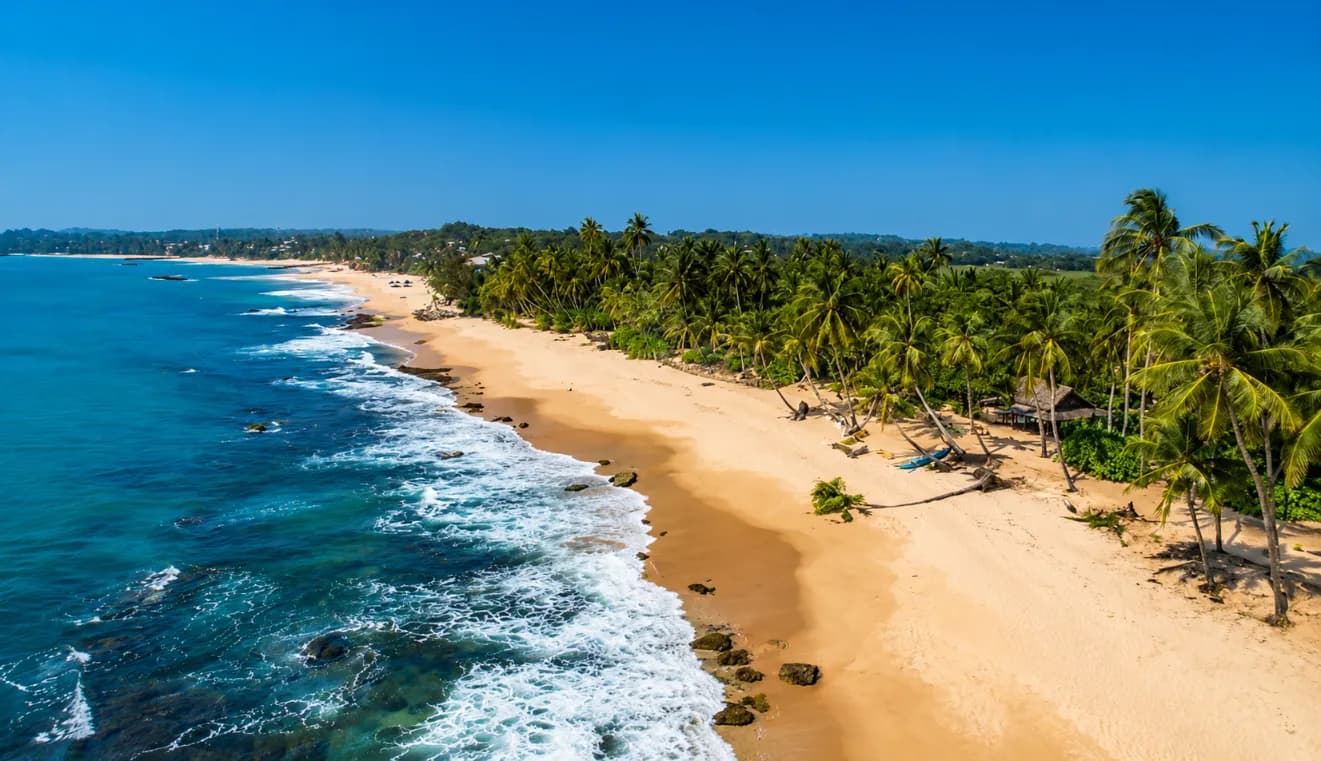
Tangalle sri lanka| is usually introduced as a beach destination. Travellers know it for long sandy bays, coconut palms, quiet resorts, turtle beaches, blue water and the slower rhythm of Sri Lanka’s deep south. But Tangalle is more than a place for sea views and coastal rest. Beneath its beach-town image is an older story — the story of a harbour town shaped by fishing, sea trade, Dutch colonial defences, British-era use and the everyday life of the southern coast.
For visitors interested in colonial Sri Lanka and Old Ceylon, Tangalle deserves a more careful look. It may not have the grand ramparts of Galle, the dramatic harbour of Trincomalee or the restored townscape of a UNESCO site. Its heritage is quieter. It appears in the harbour, the old fort area, the rest house tradition, the shape of the bay, and the fishing boats that still gather near the coast.
Tangalle is best experienced slowly. It is a town where the sea is not only a view, but a way of life. To understand Tangalle as an old harbour town, you need to look beyond the beach and into the maritime history of Sri Lanka’s southern edge.
Check our previous article- https://trippingsrilanka.com/stories/kalpitiya-dutch-fort
Why Tangalle Mattered on the Southern Coast
Tangalle’s importance begins with its bay. The town sits on one of the largest bays on Sri Lanka’s southern coast, protected in places by reef and rock. This gave it value as an anchorage and fishing centre long before modern tourism arrived.
Coastal towns like Tangalle were never isolated. They formed part of a wider southern maritime world where traders, fishermen, travellers and colonial powers moved along the coast. Before European rule, Tangalle is believed to have been used by Muslim traders from Arabia and Persia, showing that its connection to the sea is much older than Dutch or British history.
This makes Tangalle different from newer beach resorts. Its coastal identity was not created by hotels. It grew from geography, trade, fishing and the need for safe places along the southern shoreline.
A Harbour Town Before a Holiday Town
Today, many visitors arrive in Tangalle looking for relaxation. That is understandable. The town’s beaches are among the most attractive in the south, and the area has a calmer feeling than some of the busier coastal strips near Galle, Mirissa or Weligama.
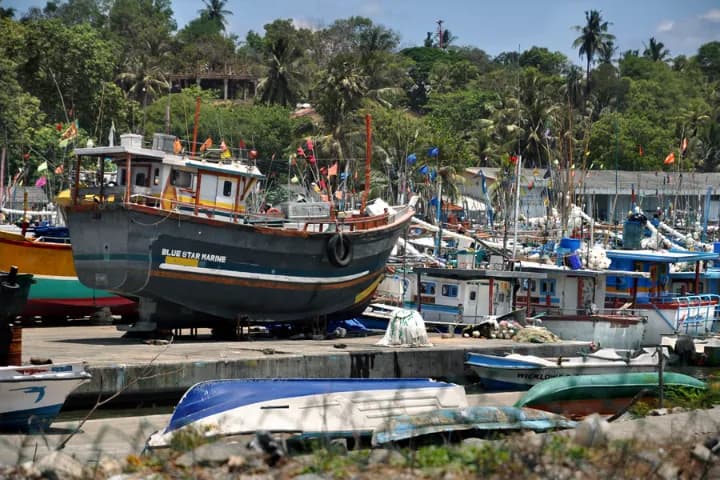
But Tangalle’s older identity is closer to that of a working harbour town. The fishing harbour remains central to local life. Boats, nets, engines, ropes, ice, traders and early-morning activity give the town a practical maritime character. This is the side of Tangalle that connects most strongly with Old Ceylon.
For slow travellers, the harbour is one of the most interesting places to observe. It shows how the sea continues to shape livelihoods. Fishing boats painted in bright colours gather along the water, carrying the daily rhythm of the coast. This living maritime culture gives Tangalle a kind of authenticity that cannot be manufactured for tourism.
Dutch Tangalle and the Old Fort
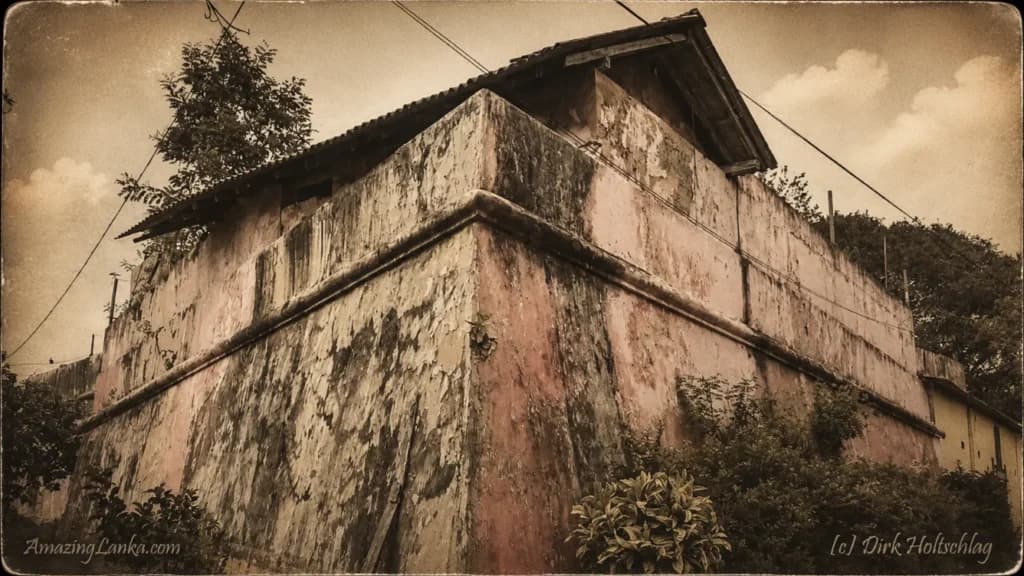
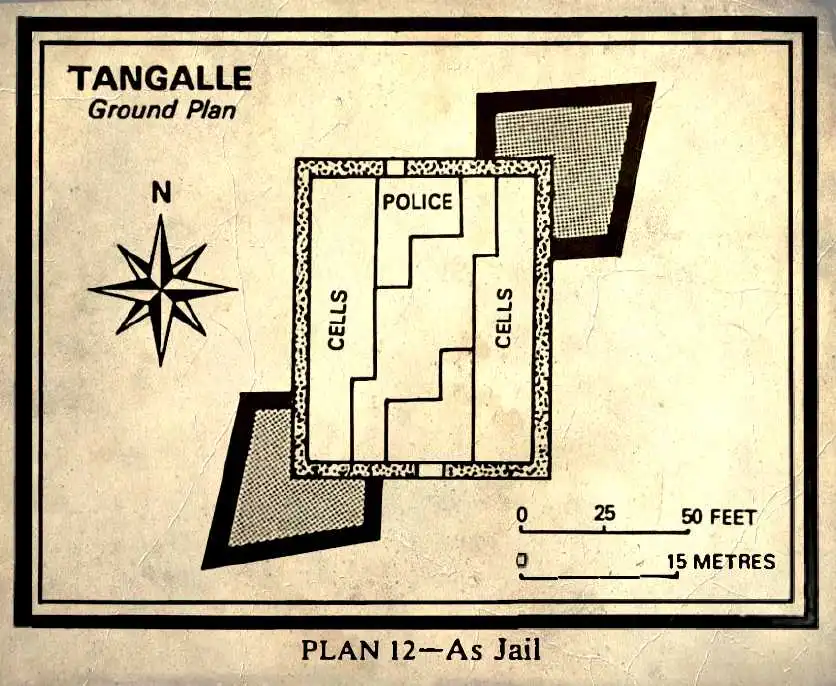
Tangalle also has a Dutch colonial layer, although it is less visible than the better-known forts of Galle, Matara or Jaffna. The Dutch built a fort at Tangalle on a strategic mound above the bay around the late 18th century. Its position overlooking the sea made sense. From there, colonial authorities could observe the coast and maintain a defensive presence in the town.
The old Dutch fort does not function today as a polished heritage attraction. It has been heavily altered over time and has long been associated with prison use. Because of that, visitors should not expect an open rampart walk or a preserved colonial townscape.
Still, the fort is historically important. It shows that Tangalle was not merely a fishing settlement. It had enough strategic value for the Dutch to fortify it. The fort’s existence connects Tangalle to the wider network of Dutch coastal defences in colonial Ceylon.
British Use and the Southern Anchorage
After the Dutch period, the British also recognised Tangalle’s value as an anchorage on the southern coast. Under British rule, many Dutch coastal sites were reused, modified or absorbed into new systems of administration. Tangalle followed that pattern.
The fort was altered during the British period and came to be used for prison purposes. The wider town also retained traces of colonial public life, including buildings connected with administration, rest-house travel and court functions.
This British layer is important because it shows how colonial towns evolved. Tangalle was not frozen in one period. Dutch military use gave way to British administration and later modern local life. The result is a town where colonial traces survive in fragments rather than as a single formal heritage zone.
Tangalle sri lanka: The Rest House Tradition
One of the most atmospheric ways to understand Old Ceylon travel is through the rest house tradition. Before modern hotels became common, rest houses provided accommodation and meals for officials, travellers, planters, surveyors and coastal road users moving through the island.
Tangalle’s old rest house tradition belongs to this slower age of travel. It recalls a time when journeys along the southern coast were measured by road stops, verandahs, sea breezes and simple colonial-era hospitality. Even where buildings have changed, the idea of the rest house helps explain how towns like Tangalle fitted into the travel routes of colonial Ceylon.
Unlike luxury beach resorts, rest houses were practical. They served travellers passing through, not only holidaymakers staying for leisure. This makes them an important part of Tangalle’s heritage identity.
Fishing Culture and Living Heritage
Tangalle’s strongest heritage may not be a building at all. It may be its fishing culture. The harbour, boats and fish market atmosphere preserve the town’s maritime character more vividly than any plaque or monument.
In many old coastal towns, fishing is the bridge between past and present. The methods have changed, the boats have engines, and the markets are connected to modern roads and supply chains. But the basic relationship between sea, labour and town remains.
Visitors who wake early and spend time near the harbour can see Tangalle at its most authentic. Fishermen return with the catch. Traders gather. Boats are repaired. Nets are handled. The working coast comes alive before the beach day begins.
For travellers interested in colonial Sri Lanka, this matters because colonial ports and anchorages depended on local maritime communities. European powers built forts and used harbours, but the life of the coast was sustained by local people.
Walking Through Tangalle Town
Tangalle is not a town for a formal heritage walk in the way Galle Fort is. It is better explored as a loose coastal walk. Begin near the harbour and observe the fishing activity. Continue towards the older town centre, where fragments of colonial-era architecture and public buildings can still be found.
Look for older rooflines, verandahs, institutional buildings and the position of the town in relation to the bay. Tangalle’s heritage is not always obvious at first glance. It appears slowly, especially when you think of the town as an anchorage, road stop and fishing centre rather than only as a beach destination.
This is the right way to experience Tangalle: not as a checklist, but as a landscape of coastal memory.
Beyond the Town: Mulkirigala and Rekawa
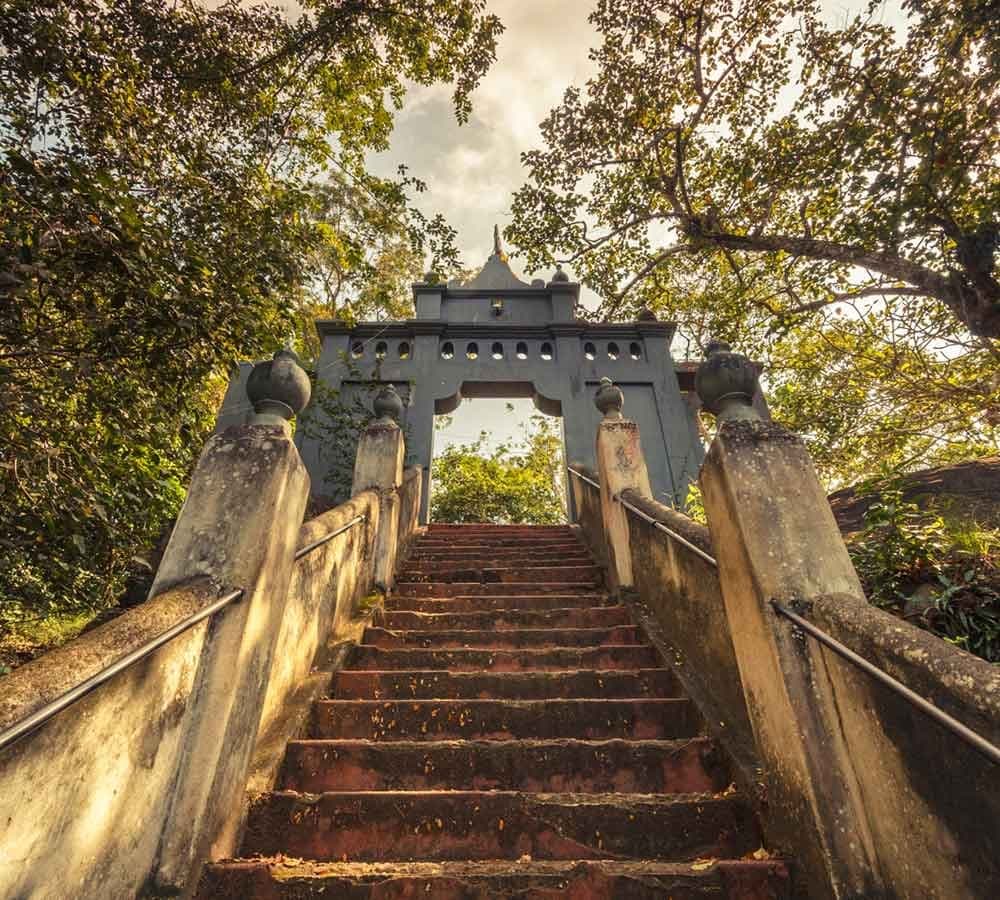
Tangalle also works well as a base for exploring nearby heritage and nature. Mulkirigala Rock Temple, located inland from the town, adds an older cultural layer to the region. Its cave temples, rock setting and Buddhist history remind visitors that the south coast is not only colonial or maritime. It is also deeply connected to older Sri Lankan religious landscapes.
Rekawa, east of Tangalle, offers another kind of slow travel experience through turtle conservation and coastal ecology. Together, Mulkirigala and Rekawa show why Tangalle is more than a beach stop. It is a base for heritage, nature and coastal storytelling.
For a traveller following the theme of Old Ceylon, Tangalle can therefore be read in several ways: harbour town, colonial anchorage, fishing centre, southern road stop and gateway to older inland heritage.
Best Time to Experience Tangalle
Tangalle is best explored in the morning or late afternoon. Early morning is ideal for the harbour, when fishing activity is strongest and the light is soft. Late afternoon is better for coastal walks, beach views and photography.
The town is also well suited to slow travel. Instead of rushing through on the way to Hambantota or Yala, spend a night or two. Walk the harbour, visit the old town area, explore nearby beaches, take a short trip to Mulkirigala and end the day by the sea.
This slower approach allows Tangalle’s older character to emerge.
Why Tangalle Deserves More Attention
Tangalle deserves more attention because it tells a southern coastal story beyond the familiar beach image. The town has been shaped by sea routes, anchorage, fishing, Dutch fortification, British reuse and local maritime livelihoods. That combination gives it a heritage value that many travellers miss.
For history readers, Tangalle adds detail to the map of colonial Ceylon. It shows that not every colonial town became a major fort city. Some remained smaller anchorages and coastal service towns, but still played a role in the island’s maritime network.
For travellers, Tangalle offers atmosphere. It has beaches, yes, but also harbour life, old buildings, sea winds and the feeling of a town that has always faced outward towards the ocean.
Final Thoughts: Tangalle Beyond the Beach
Tangalle is one of Sri Lanka’s most rewarding southern coast towns because it has two identities. One is the modern beach destination known for quiet resorts and coastal beauty. The other is the older harbour town, shaped by fishing, anchorage, colonial traces and the daily work of the sea.
To understand Tangalle properly, visitors should experience both. Enjoy the beach, but also visit the harbour. Notice the old town, not only the resorts. Think of the Dutch fort, even if it is no longer an easy heritage attraction. Follow the road inland to Mulkirigala. Watch the boats return.
That is where Tangalle becomes more than a holiday stop. It becomes part of the story of Old Ceylon’s southern coast — a place of rocks, reefs, boats, colonial memory and slow maritime life.
FAQs About Tangalle Harbour Town
Why is Tangalle important as a harbour town?
Tangalle is important because it sits on a large southern bay and has long functioned as a fishing and anchorage point on Sri Lanka’s southern coast.
Is there a Dutch fort in Tangalle?
Yes. Tangalle has an old Dutch fort built above the bay. It was later heavily modified during British rule and has long been associated with prison use, so it is not like an open tourist fort such as Galle.
Is Tangalle only a beach destination?
No. Tangalle is known for beaches, but it also has harbour heritage, fishing culture, colonial traces, rest-house history and nearby cultural sites such as Mulkirigala Rock Temple.
What is the best way to explore Tangalle’s heritage?
The best way is to visit the harbour in the morning, walk through the old town area, look for colonial-era traces, and combine the visit with nearby heritage and nature sites.
Is Tangalle worth visiting for slow travel?
Yes. Tangalle is ideal for slow travel because it offers beaches, fishing harbour life, old coastal atmosphere, nearby temples, turtle beaches and a quieter southern coast experience.
Visit Us: https://trippingsrilanka.com/stories
More from Old Ceylon
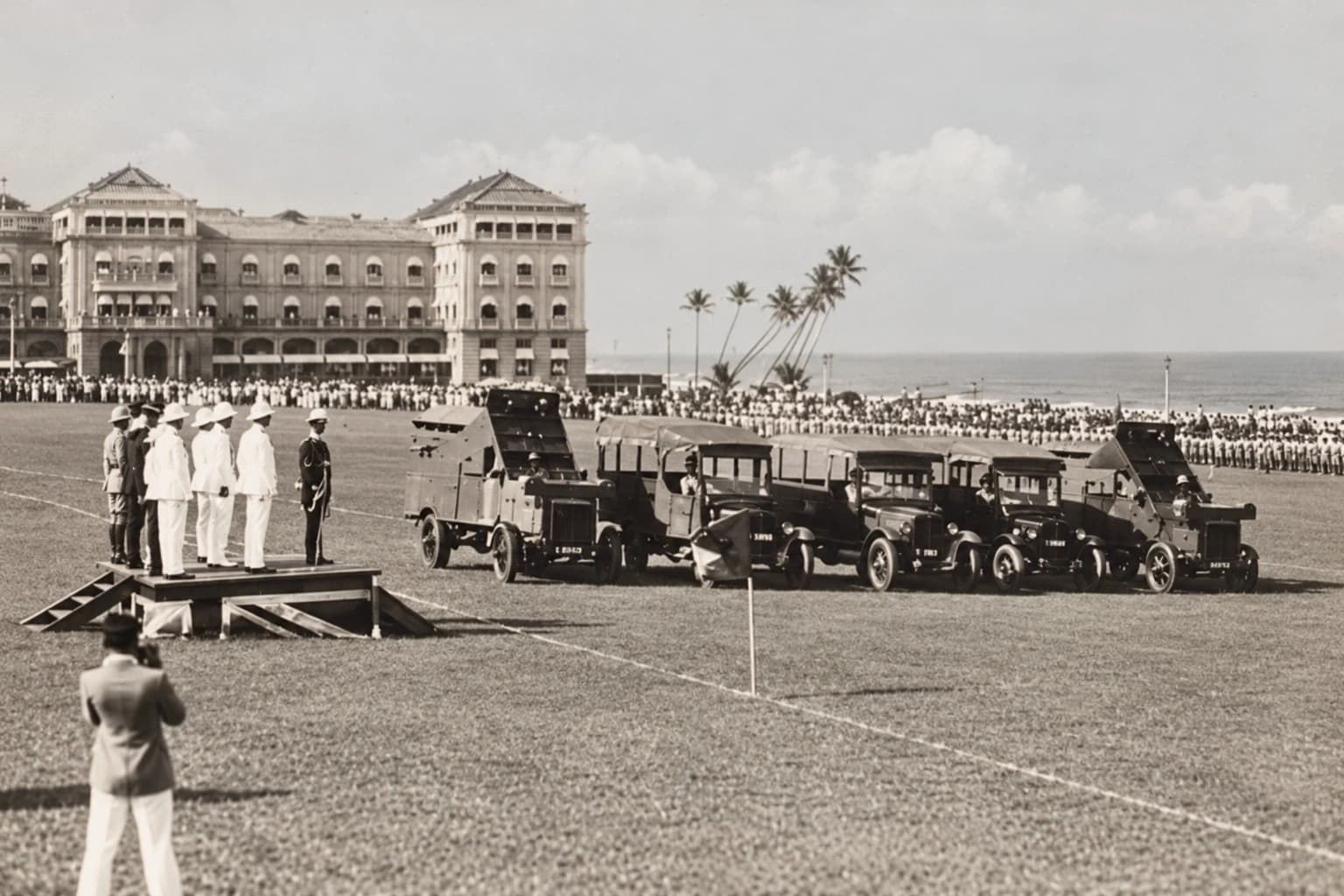
When the King’s Birthday Was Celebrated on Galle Face Green: A Glimpse of Colombo in 1933
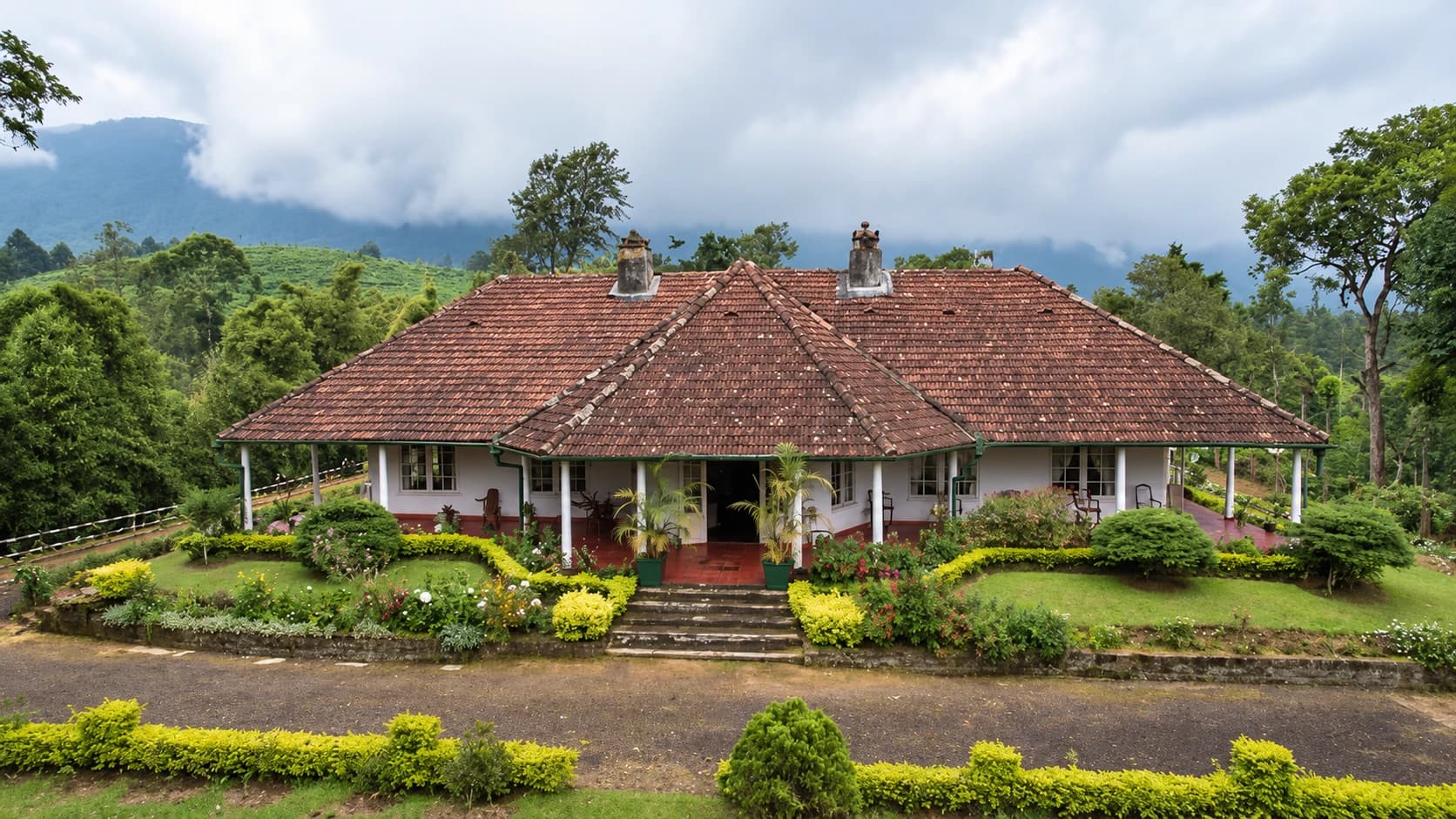
Holyrood Estate, Talawakelle: An Old Ceylon Bungalow and a Name That Echoes Scotland