Travelling Old Ceylon: When a Road Map Was Enough| There was a time when setting out on a journey across Ceylon began with something wonderfully simple.
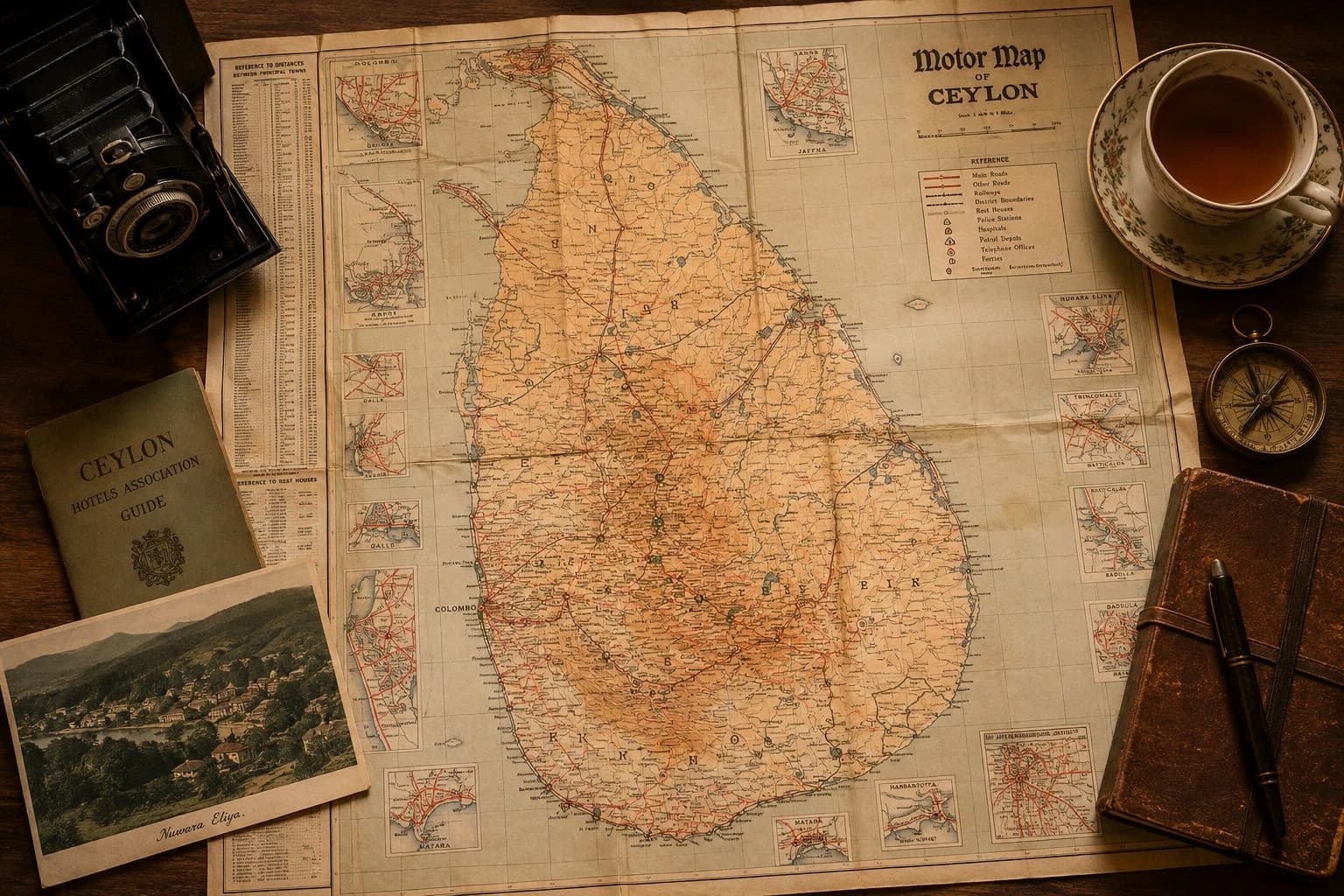
You opened a map.
It might have been spread across the bonnet of a car, unfolded on the verandah before breakfast or kept carefully inside the glove compartment. Someone traced the road with a finger.
Colombo to Kandy.
Kandy to Nuwara Eliya.
Perhaps down through Badulla, or north towards Anuradhapura.
There was no blue dot showing exactly where you were. No voice announcing the next turn. No instant calculation of how many minutes remained.
There was simply a road, a map and the anticipation of discovering what lay ahead.
And somehow, travelling felt different because of it.
Check our previous article- https://trippingsrilanka.com/stories/1948-motor-map-of-ceylon
When the Journey Was Part of the Holiday
Today, we tend to think of travel in terms of efficiency.
How quickly can we get there?
Which road has less traffic?
What time will we arrive?
In Old Ceylon, getting there was often half the experience.
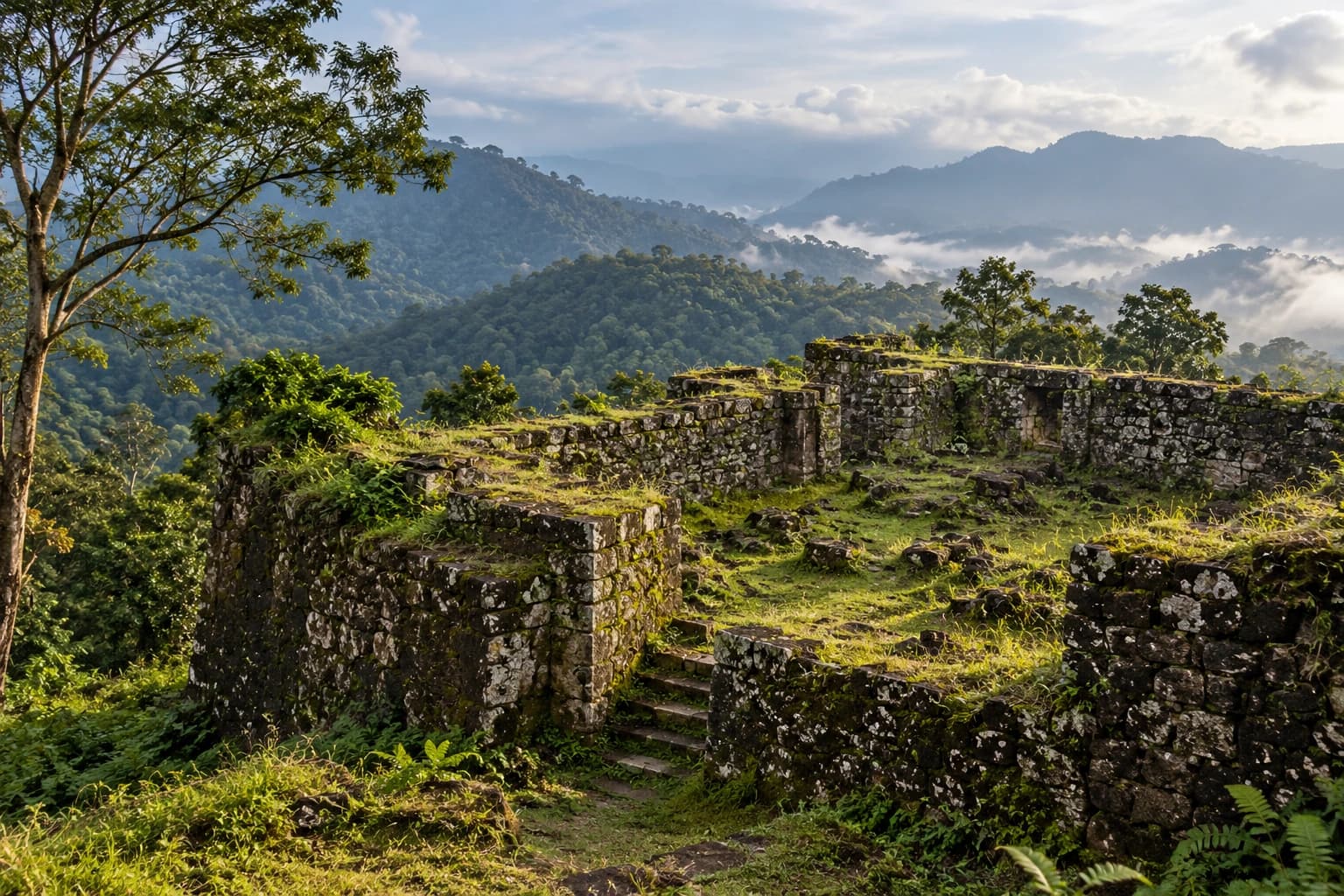
A journey from Colombo into the hills unfolded gradually. The humid lowlands gave way to rubber estates and thick vegetation. Roads began to climb. Coconut palms slowly disappeared. Tea-covered hills emerged through the mist.
Windows were rolled down as the air became cooler.
There might be a stop at a roadside tea room, a railway station or a rest house for lunch.
Perhaps the car itself demanded a pause after a long climb.
Nobody seemed terribly worried about shaving twenty minutes off the journey.
You travelled at the pace of the country.
The Old Roads of Ceylon
Some of Sri Lanka’s most beautiful journeys today follow roads that generations travelled long before us.
The road into Kandy winding towards the old hill capital.
The climb towards Nuwara Eliya through increasingly cool mountain country.
The southern coastal road passing towns, coconut groves and glimpses of the Indian Ocean.
The long journeys north towards Anuradhapura and Jaffna.
The eastern roads leading towards Batticaloa and Trincomalee.
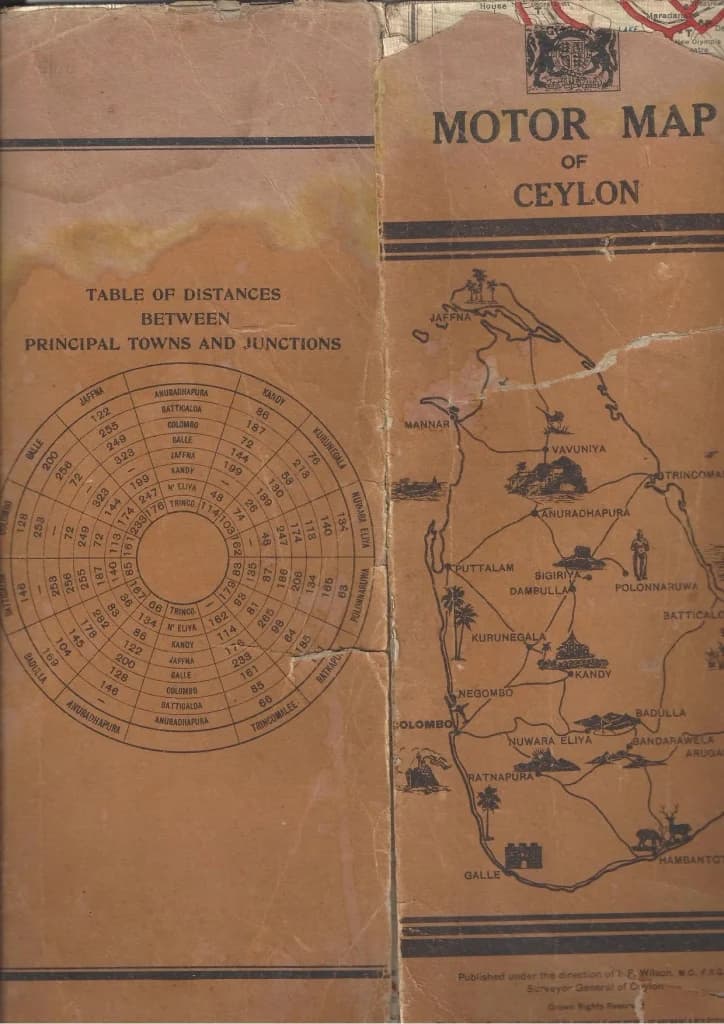
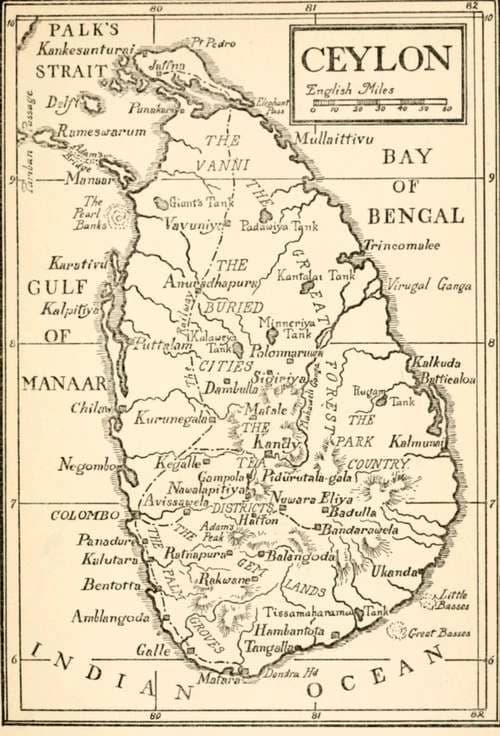
On an old map of Ceylon, these places seem somehow farther apart.
Perhaps because they really were.
Before expressways and modern highways, distance was measured not merely in kilometres but in hours on winding roads, railway crossings, ferry points, town centres and unexpected stops.
Leaving Colombo for somewhere distant felt like properly leaving Colombo.
The Rest House Along the Way
One of the great pleasures of travelling around Ceylon was the rest house.
They appeared in towns and beside rivers, lagoons and important routes across the island.
For generations of travellers, the rest house was where the journey briefly stopped.
A wide verandah.
A slowly turning ceiling fan.
Wooden chairs.
A pot of Ceylon tea.
Perhaps rice and curry for lunch before returning to the road.
Some stood in extraordinary locations, overlooking landscapes that modern travellers might now associate with boutique hotels and resorts.
But the experience was often simpler.
You arrived tired from the road, washed your face, ordered something to eat and sat for a while watching Ceylon pass by.
There was no rush to photograph everything.
You simply enjoyed being there.
Motoring Through Tea Country
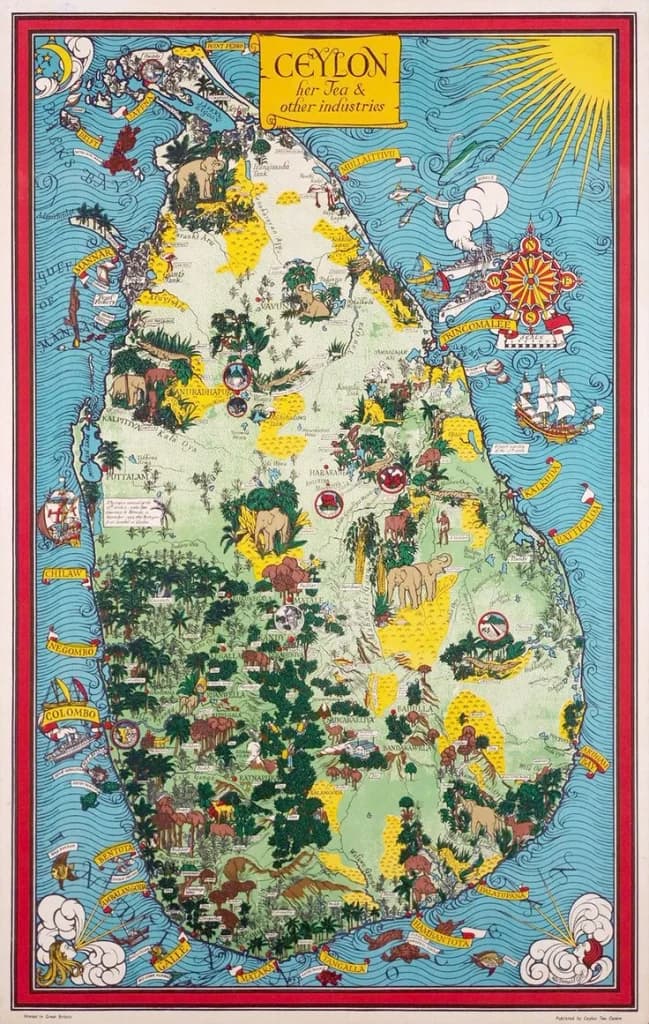
Few journeys must have captured the romance of Old Ceylon quite like driving through the hill country.
The roads curled around mountainsides and disappeared into mist.
Tea estates stretched across slopes in carefully patterned green.
Waterfalls appeared unexpectedly beside the road.
Small railway stations sat among the hills, while the occasional train could be seen making its slow journey across the landscape.
Then came the unmistakable coolness of places such as Nuwara Eliya.
There were bungalows with fireplaces, gardens heavy with flowers, afternoon tea and mornings when mist hung over the surrounding hills.
Reaching the highlands after hours on the road made the change feel even more dramatic.
You had not simply arrived somewhere cooler.
You had travelled into another world.
Travelling old ceylon | Down the Coast
The experience was completely different heading south.
The old coastal road offered glimpses of the sea between houses and coconut trees.
Fishing villages appeared along the way.
There were stretches where the railway seemed to travel almost beside the ocean.
Towns such as Kalutara, Bentota, Ambalangoda and Hikkaduwa were not merely names passed at speed on an expressway.
You travelled through them.
You saw their shops, railway crossings, temples, churches, markets and streets.
Eventually, Galle appeared.
And beyond it were the quieter reaches of the southern coast, where the journey itself could consume much of the day.
The road made you experience the geography of the island rather than simply cross it.
The Railway Was Part of the Romance Too
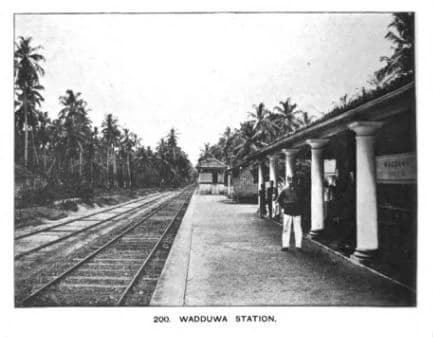
Not every traveller explored Ceylon by motor car.
For many, the railway provided an even more memorable way of seeing the country.
A train journey into the hills was an event in itself.
Stations had waiting rooms and refreshment rooms. Porters moved luggage along platforms. Whistles announced departures.
Windows opened onto landscapes that changed hour by hour.
The railway climbed slowly through the mountains, crossed bridges and curved around hillsides where passengers could sometimes see the rest of the train ahead.
There was time to look outside.
Time to talk.
Time to wonder what the next station would bring.
Perhaps that is one of the things we have lost most in modern travel — the pleasure of simply watching a journey unfold.
When Getting Lost Was Possible
There is something else an old road map reminds us of.
People occasionally got lost.
A turning could be missed.
A road might not look quite as expected.
Someone might have to stop at a petrol station, police station, post office or roadside shop and ask:
“Which way to Kandy?”
Directions could involve wonderfully imprecise landmarks.
Go past the bridge.
Turn near the big tree.
Continue until you see the temple.
Ask again at the junction.
And somehow, people arrived.
Perhaps later than planned.
But often with a story to tell.
Before Every Journey Was Documented
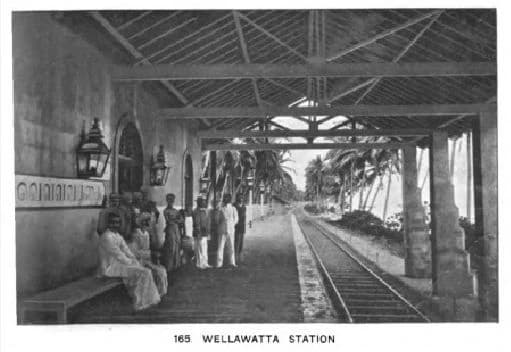
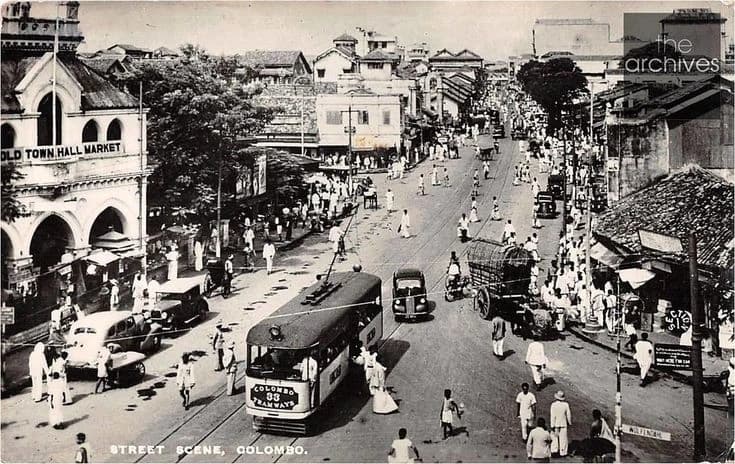
Old photographs from Ceylon frequently have a quality that is difficult to reproduce today.
There may be only one photograph from an entire trip.
A family standing beside a motor car.
Children outside a bungalow.
Someone leaning against a railing overlooking the hills.
A picnic beside a river.
A group gathered at a railway station.
The photograph mattered because photographs were limited.
Most of the journey existed only in memory.
There were no hundreds of images waiting to be uploaded.
No constant checking of reviews.
No pressure to document every meal, view or sunset.
Travel was experienced first and remembered afterwards.
The Island Felt Bigger Then
Sri Lanka has not become physically smaller.
Yet modern transport has changed our sense of its size.
An expressway can compress what was once a long coastal adventure into a relatively straightforward drive.
Navigation apps remove much of the uncertainty.
Mobile phones mean we are rarely truly disconnected.
Hotels can be researched before we leave home.
Restaurants can be inspected through photographs before we sit down.
Old Ceylon offered fewer certainties.
And perhaps because of that, the island felt enormous.
Nuwara Eliya was not merely a destination three or four hours away.
It was the hills.
Trincomalee was the distant east.
Jaffna was the far north.
Galle was the old southern port.
Each journey seemed to carry you into a different part of the island’s character.
Perhaps We Should Travel Slowly Again
There is no need to romanticise every inconvenience of the past.
Modern roads are safer and faster. Navigation is easier. Cars are more comfortable. Travel has become accessible in ways earlier generations could hardly have imagined.
But perhaps Old Ceylon still has something to teach us about travelling.
Not every journey needs to be rushed.
Take the older road occasionally.
Stop in the little town instead of bypassing it.
Have tea somewhere simply because the view is beautiful.
Watch a train disappear around a mountain.
Sit on a verandah when it rains.
Drive without treating the destination as the only part that matters.
Because somewhere beneath the expressways, smartphones and modern hotels, that older island still exists.
It is there in the winding hill roads.
In old railway stations.
In tea estates disappearing into mist.
In forgotten rest houses.
In coastal towns through which travellers have been passing for generations.
And perhaps all it takes to find a little of Old Ceylon again is to unfold a map, choose a road and allow the journey to take its time.
Visit Us: https://trippingsrilanka.com/stories
More from Old Ceylon
When Prince Philip Visited Pedro Estate: The Royal Visit That Became Part of Ceylon Tea History in 1954
When Five Cents Mattered: The Forgotten Small Change of Old Ceylon