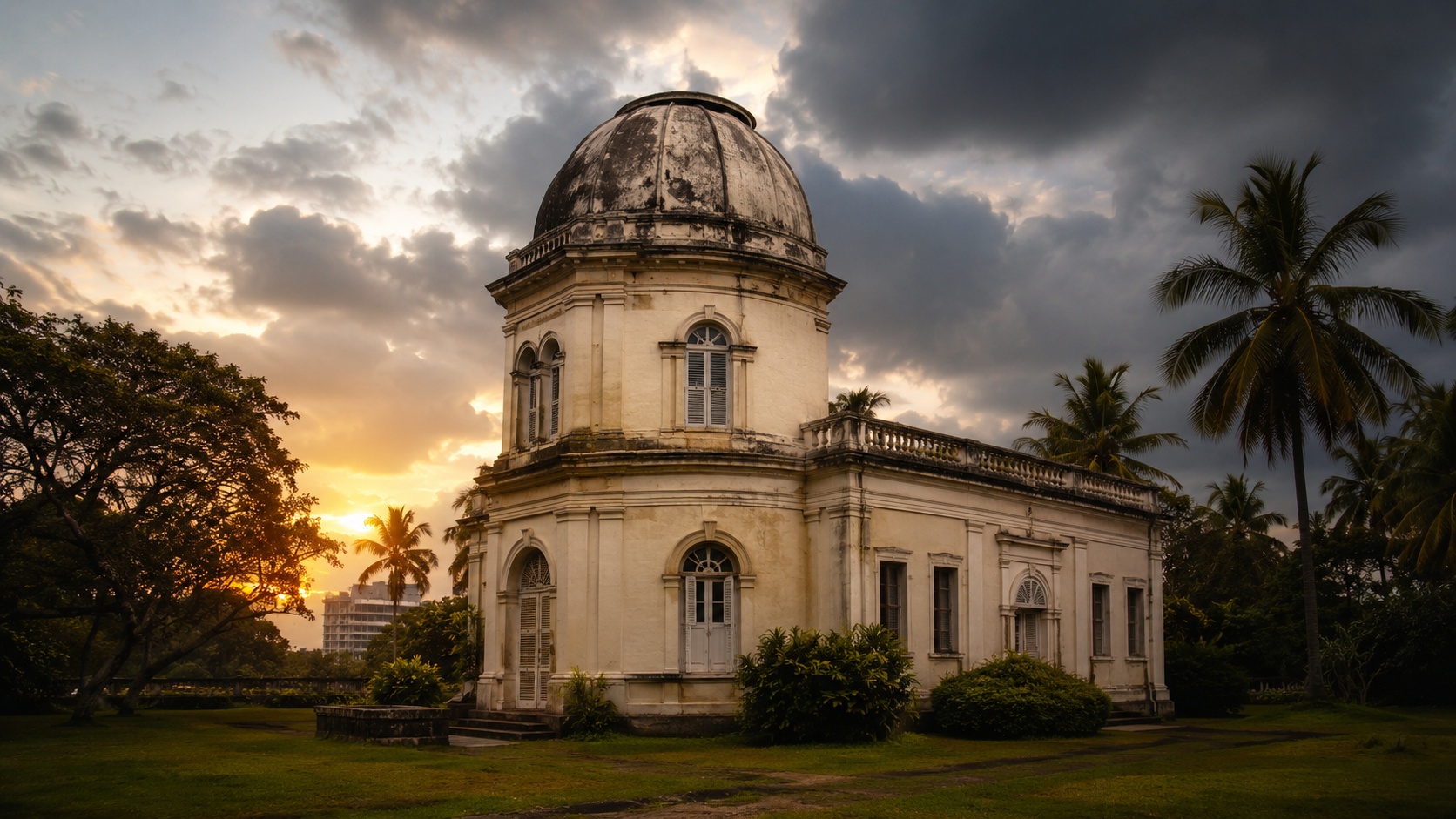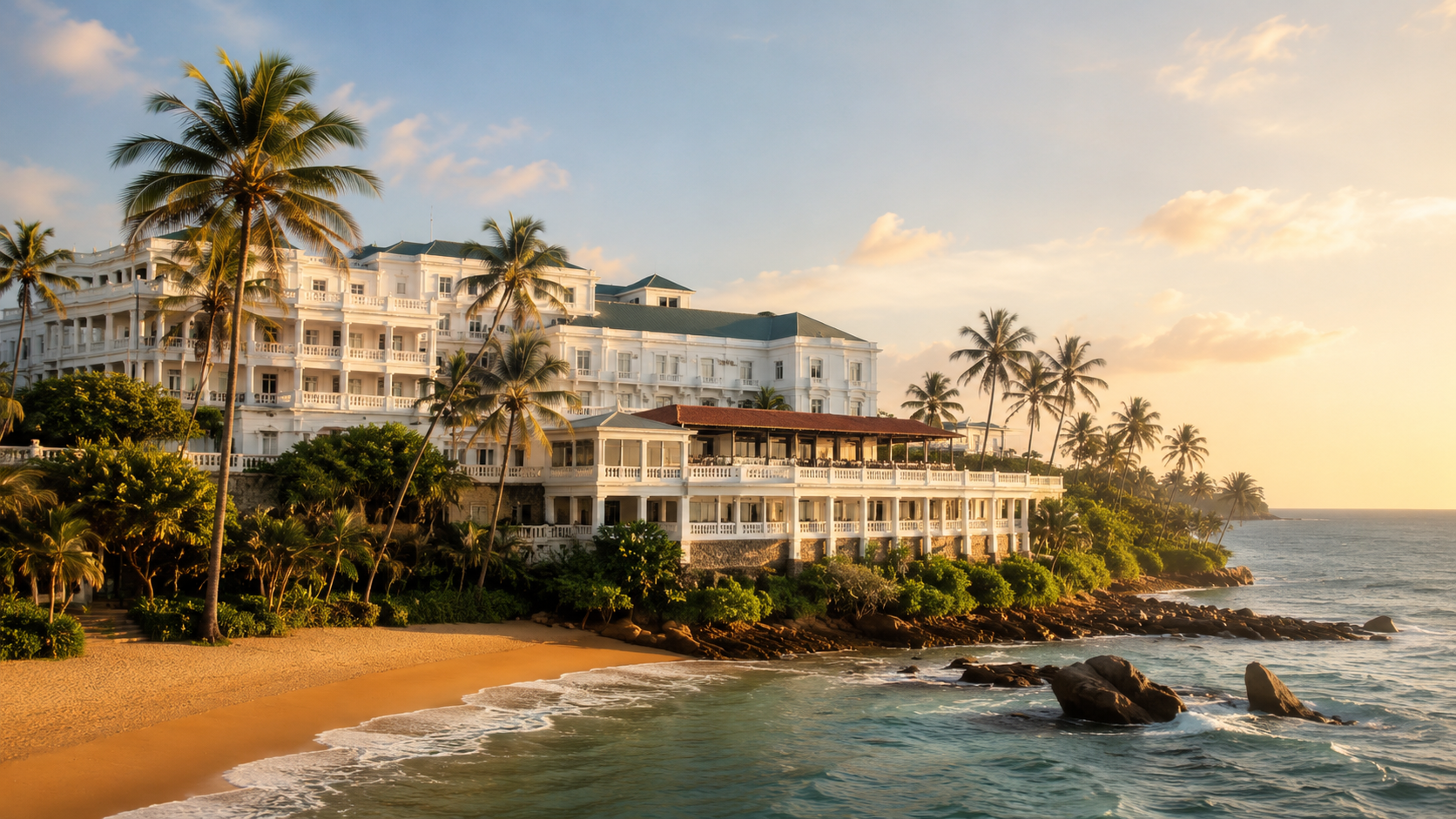
Before Sri Lanka became a fast-moving island of highways, smartphones, expressways and weekend getaways, there was another Ceylon — slower, quieter and wrapped in a kind of faded elegance.
It was a world of tea-scented mornings, railway smoke, handwritten letters, polished wooden floors, white verandas, monsoon rain on tiled roofs and long journeys that were not rushed. Colonial Ceylon was not just a period in history. It was an atmosphere.
Of course, it was not a perfect world. Behind the beauty of tea estates, grand hotels and colonial clubs were deep inequalities, hard labour and a society shaped by power. But to understand Old Ceylon properly, we have to look at both sides — the charm people remember, and the reality that shaped it.
The slower rhythm of everyday life
Life in Colonial Ceylon moved at a different pace. Days were not measured by notifications or traffic updates, but by train schedules, post arrivals, church bells, school bells, market mornings and the changing weather.
In Colombo, Galle, Kandy and Nuwara Eliya, daily life carried a mixture of local tradition and colonial influence. There were men in crisp white suits, women in lace dresses or sarees, clerks walking to government offices, traders opening shops, and families waiting for letters from relatives far away.
The veranda was an important part of life. It was where people sat in the late afternoon, watched the road, drank tea, read newspapers and talked for hours. Homes were built for air, shade and conversation — high ceilings, wide windows, timber furniture and gardens that softened the tropical heat.
Click on here “Insights into the Uva Rebellion: The Forgotten Fire of 1817–1818”
Tea estates and bungalow culture
No image of Colonial Ceylon is more powerful than the tea estate bungalow. Set among rolling hills, mist and endless green plantations, these homes became symbols of the hill country.
Mornings began cool and quiet. The mist would sit low over the tea bushes. Inside the bungalow, there might be polished floors, cane chairs, heavy curtains, old portraits and a dining table prepared with tea, toast, fruit and preserves.
But the beauty of the plantation landscape also carried a harder story. The tea industry was built on the labour of thousands of workers, many brought from South India under extremely difficult conditions. Their lives were very different from the comfort of the planter’s bungalow.
That contrast is what makes Old Ceylon so complex. It was beautiful, but not innocent.
Steam trains and long journeys
Travel in Colonial Ceylon was not simply about reaching a place. The journey itself mattered.
The train from Colombo to Kandy or Nuwara Eliya was an experience — slow, scenic and memorable. Steam engines moved through tunnels, bridges, forests and tea country. Passengers watched the island change outside the window: from warm coastal plains to cool green highlands.
Railway stations had their own character. Wooden benches, ticket counters, station clocks, porters, luggage trunks and the sound of whistles created a rhythm that still survives in parts of Sri Lanka today.
Even now, when a train curves through the hill country, it carries something of Old Ceylon with it.
Letters, fashion and social rituals
Communication was slower, but perhaps more meaningful. Letters mattered. People waited for them. A handwritten note could carry news, affection, formality or heartbreak across weeks and miles.
Fashion also reflected the social layers of the time. In colonial towns, European-style clothing appeared beside sarees, sarongs, Kandyan dress and local textiles. Lace, cotton, linen, hats, gloves and polished shoes became part of urban and elite life, especially in formal settings.
Social life had rituals — afternoon tea, Sunday church, school events, dances, club gatherings, family visits and formal dinners. Even simple visits had etiquette. People dressed properly, spoke carefully and took time to maintain relationships.
The hidden side of elegance
It is easy to romanticise Colonial Ceylon. The old photographs are beautiful. The buildings are charming. The trains, hotels and bungalows still attract travellers today.
But nostalgia should not erase truth.
Colonial Ceylon was also a place of class divisions, racial hierarchy, economic control and political struggle. Many people lived with limited rights and heavy hardship. The same empire that built railways and administrative buildings also extracted resources and controlled lives.
So when we remember Old Ceylon, we should remember it honestly — not as a golden age, but as a layered world of beauty, power, struggle and change.
Where you can still feel Old Ceylon today
You can still feel traces of Colonial Ceylon across Sri Lanka.
In Galle Fort, old streets, churches, verandas and sea-facing walls carry centuries of memory. In Nuwara Eliya, the cool weather, gardens and colonial-era buildings still create the feeling of a hill country retreat. In Kandy, heritage hotels and railway journeys hold onto another time. In Colombo, old clubs, mansions, churches and administrative buildings remain hidden among modern towers.
Even a cup of tea in a quiet hill country bungalow can make the past feel close.
Old Ceylon lives not only in museums. It lives in architecture, train journeys, family stories, handwritten recipes, old photographs, furniture, gardens and the way certain places still make time feel slower.
Conclusion
Colonial Ceylon was not one simple story. It was elegant and unequal, beautiful and difficult, nostalgic and complicated.
But perhaps that is why it continues to fascinate us.
It reminds us of an island before speed took over — when journeys were long, letters were treasured, tea was a ritual, and buildings were made to breathe with the weather.
To walk through Old Ceylon today is not to escape into the past. It is to understand how deeply the past still lives inside Sri Lanka’s landscapes, towns and memories.
Click on here “Dutch Wolvendaal Church: A Living Monument of Colonial History and Quiet Strength”