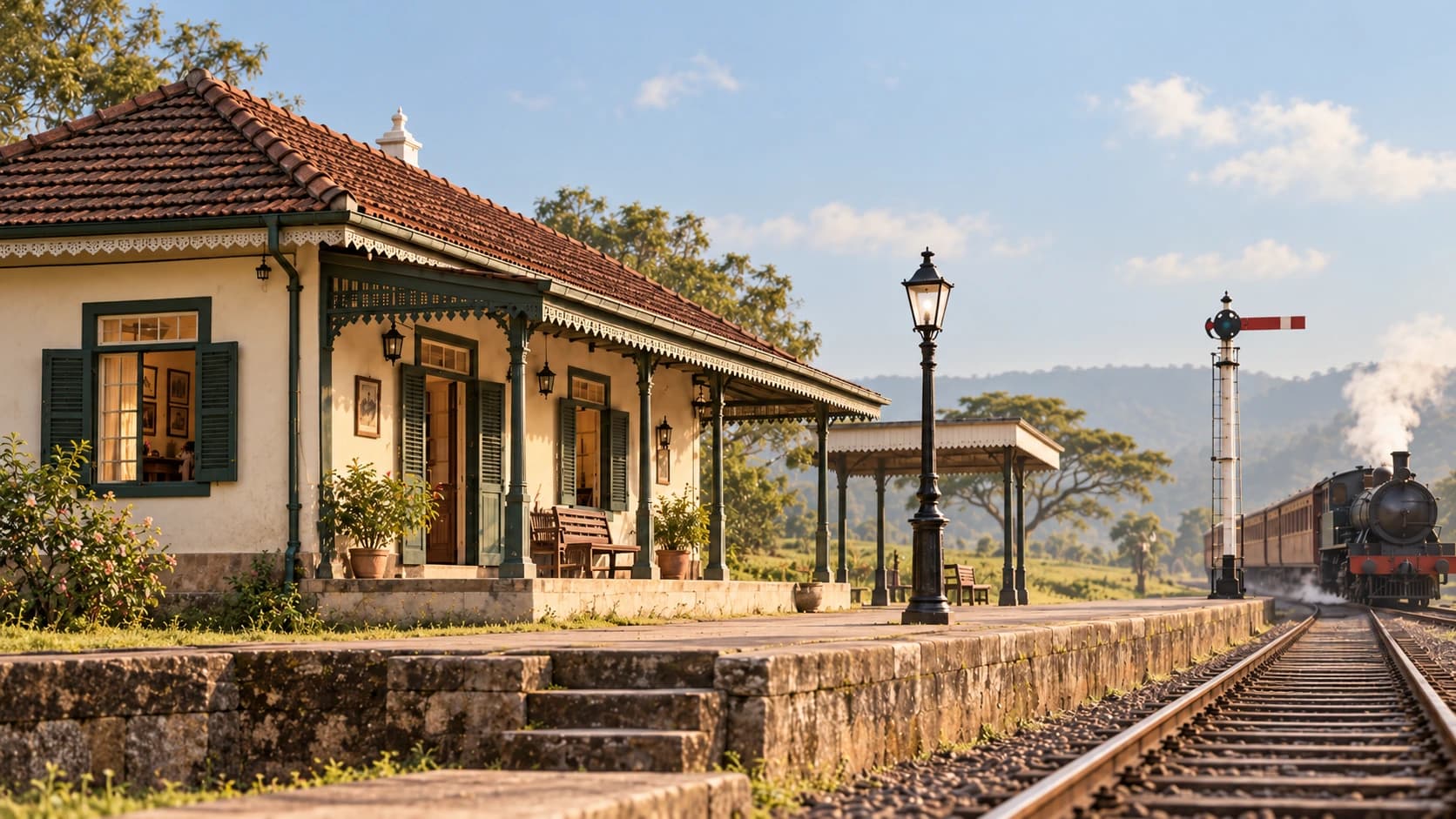
Looking for a Planter Ancestor in Old Ceylon? Following British Family Roots Back to Sri Lanka
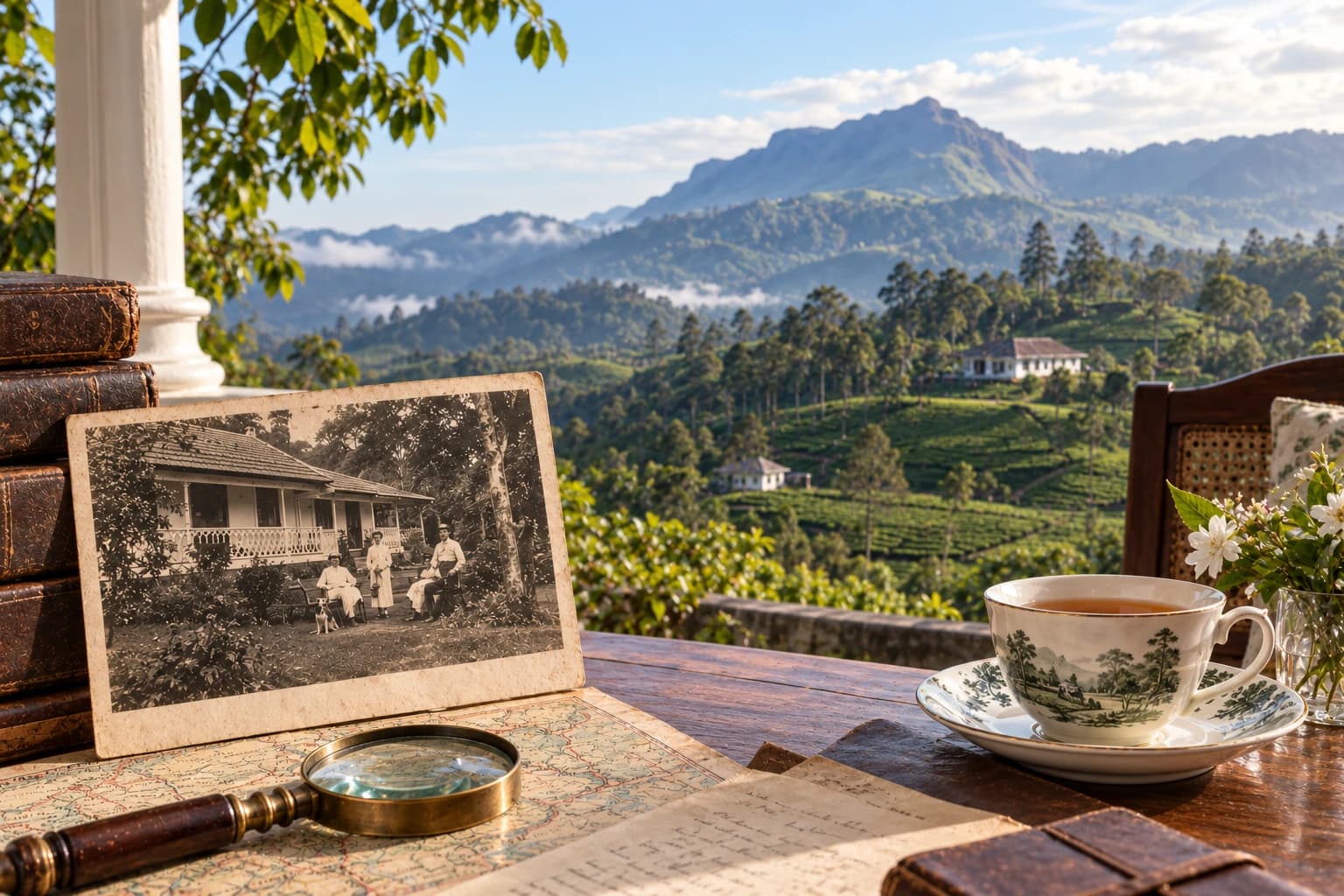
Ceylon planter ancestor| a faded photograph of a bungalow. A name written on the back of an old envelope. A silver tea caddy brought home from Ceylon. A grandfather who occasionally spoke about Kandy, Nuwara Eliya or “the estate”.
For many British families, that is where the trail begins.
Thousands of people from Britain lived and worked in Ceylon during the nineteenth and early twentieth centuries. Some were civil servants, soldiers, railwaymen, doctors or merchants. Others entered the world of coffee, tea and rubber planting, spending years , sometimes several generations , on estates scattered across the central highlands and other planting districts of the island.
Today, their descendants may know surprisingly little about that part of the family.
A birth certificate might simply say Ceylon. An obituary may describe someone as a “retired Ceylon planter”. Family photographs may show a bungalow surrounded by hills without giving its name.
Yet traces of those lives can still be found in Sri Lanka.
For anyone in Britain searching for a planter ancestor who once lived in old Ceylon, the journey can lead from online archives and century-old directories to mountain roads, surviving estate bungalows, churches and forgotten gravestones on the other side of the world.
Read our previous article: https://trippingsrilanka.com/stories/john-maitland-in-old-colombo
Start With the Name , But Look for the Estate
The most useful piece of information is not always the ancestor’s full name.
It may be the name of an estate.
British planters were closely associated with the properties where they worked, and historical directories regularly recorded estate managers, assistants, proprietors and planting companies.
One of the most important sources is Ferguson’s Ceylon Directory.
Published in numerous editions over many decades, the directories became extraordinarily detailed records of commercial and social life in the colony. Some editions included separate sections for tea, rubber and cacao estates, planting companies and individual estate owners.
A planter who appears only briefly in British family records may therefore turn up in Ceylon connected to a particular estate.
That single reference can change the search completely.
Instead of looking for:
“William Fraser, Ceylon planter”
you may suddenly be looking for:
“William Fraser, Glenorchy Estate, Ceylon.”
Now there is a place to find.
Some Ferguson directories have been digitised, including editions containing extensive lists of estates and the people connected with them.
The Estate Name May Have Survived
This is where family history in Sri Lanka becomes particularly interesting.
Many old plantation names survived political change, changes of ownership and the transformation of Ceylon into modern Sri Lanka.
The bungalow may have disappeared. The original estate may have been divided. Coffee may have given way to tea more than a century ago.
But the name can remain.
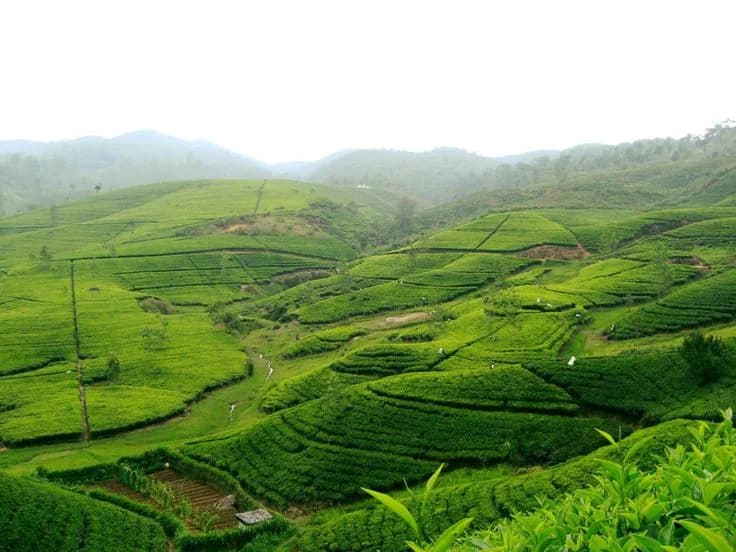
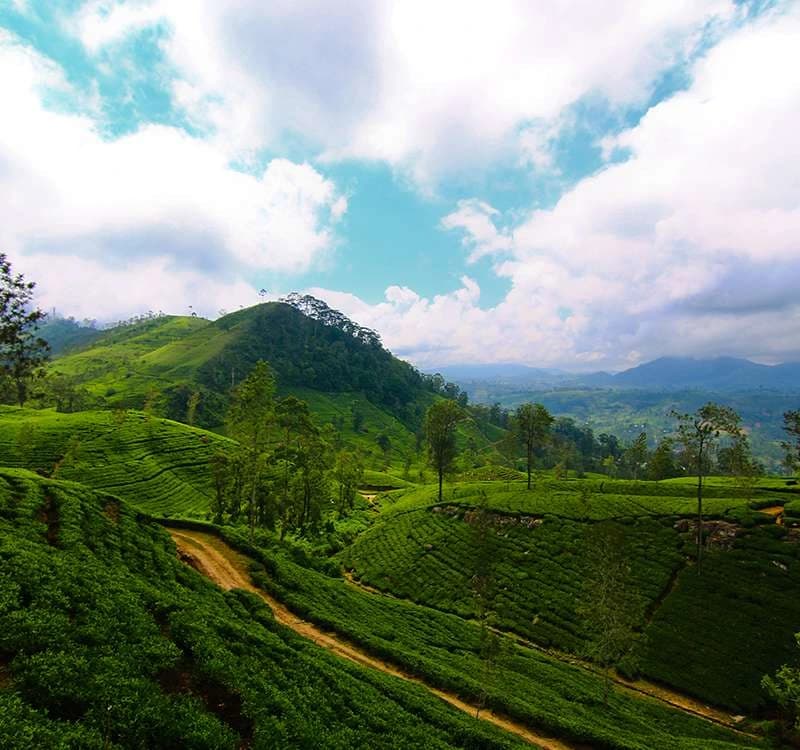
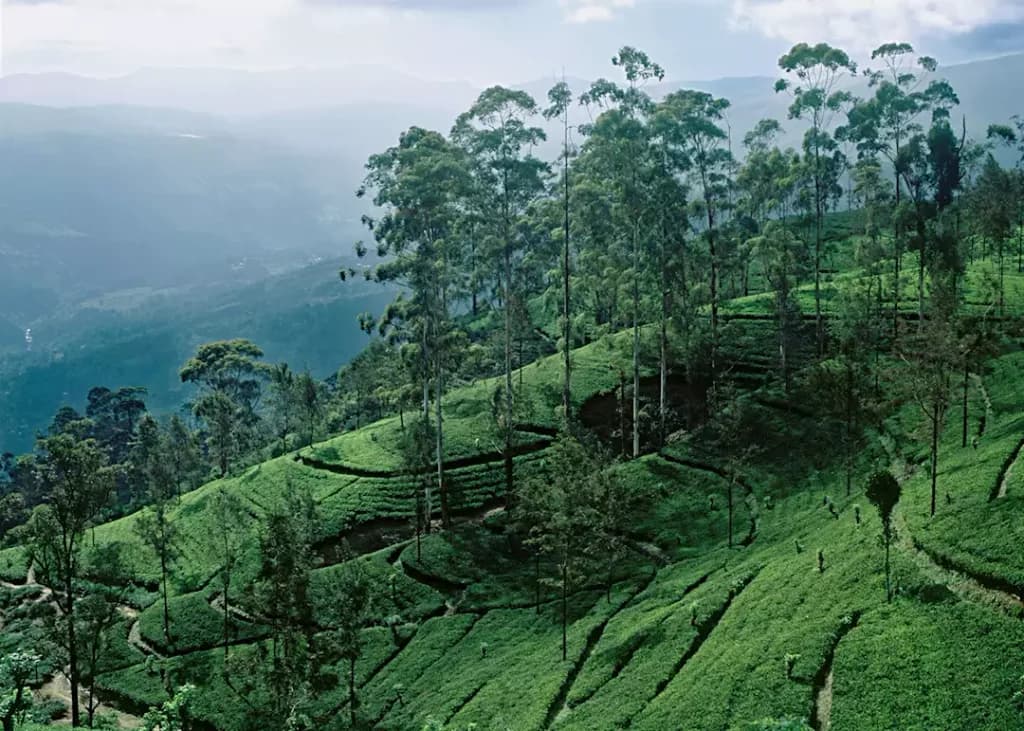
Look through the tea country around Nuwara Eliya, Hatton, Talawakelle, Dickoya, Bogawantalawa, Maskeliya, Pussellawa, Haputale, Bandarawela and Badulla, and names belonging to another age still appear on estate signs, maps and old buildings.
Finding one of those names in a family document is therefore worth taking seriously.
It could lead back to the actual landscape in which an ancestor lived.
When Coffee Came Before Tea
Not every “Ceylon planter” was originally a tea planter.
That is an important distinction when searching the nineteenth century.
Commercial coffee planting expanded dramatically in Ceylon before tea became the crop most closely associated with the island. Historical accounts from the period describe estates established around Kandy and the central highlands long before the great expansion of tea.
The collapse of the coffee industry following coffee leaf disease changed the plantation economy. Tea subsequently expanded across much of the hill country, and estates that had once grown coffee were converted to tea. Contemporary nineteenth-century publications already described Ferguson’s directory as an important source for understanding Ceylon’s planting industries.
So if family tradition says that an ancestor was a “tea planter”, do not limit the search to tea.
An earlier generation may appear in records connected with coffee.
Read our previous article: https://trippingsrilanka.com/stories/coffee-blight-of-ceylo
Ceylon planter ancestor| Search the Churches and Cemeteries
Sometimes the estate records tell you where a person worked.
A church register or gravestone tells you something more personal.
British communities established Anglican and other Christian churches throughout Ceylon, including in important planting districts.
Baptisms, marriages and burials can connect generations that would otherwise be difficult to piece together.
Records associated with British and Irish families in Ceylon survive for events including baptisms, marriages and burials, and some have now been indexed online.
Then there are the cemeteries.
Across Sri Lanka, old graves survive in Colombo, Kandy, Nuwara Eliya, Badulla and smaller planting towns.
Some belong to men and women who died young, thousands of miles from Britain. Others record several members of the same family.
Specialist archives contain indexes for places including Pussellawa, Badulla, Gampola, Kandy, Colombo and Trincomalee, while records for St Paul’s Church in Kandy include burials stretching back into the nineteenth century.
The British Library also holds material from the British Association for Cemeteries in South Asia relating to Ceylon, including cemetery files for places such as Badulla and Colombo.
A grave inscription can provide something an estate directory cannot: an age, a spouse, military service, a child, a place of origin or a precise date.
Occasionally it provides the missing connection between Ceylon and a family back in Britain.
Look Beyond the Famous Planting Towns
Family stories tend to preserve familiar names.
“Kandy.”
“Nuwara Eliya.”
“Colombo.”
But the ancestor may actually have lived many miles away.
Kandy could simply have been the nearest large town. Nuwara Eliya may have been where the family stayed for holidays or social occasions. Colombo may have been the place through which they arrived and departed.
Estate life stretched deep into the hill country.
A better clue may be an obscure name appearing on a letter, photograph or certificate.
Try searching every place name you find , even if the spelling appears strange.
British records frequently used older spellings and transliterations. Estate names changed too, and neighbouring estates were sometimes consolidated or divided.
The insignificant-looking word on the back of an old photograph may prove far more useful than “Ceylon” written on the front.
Old Photographs Can Become Evidence
Do not dismiss family photographs simply because nobody is identified.
Look closely.
Is there an estate bungalow?
A factory chimney?
A mountain ridge?
A railway station sign?
A verandah with distinctive columns?
A handwritten date?
Even the photographer’s studio can provide a clue.
Photographs taken in Colombo, Kandy or Nuwara Eliya sometimes carry the studio’s name. Group photographs may show planting clubs, sporting teams or estate staff.
Once an estate has been identified, surviving architecture and landscape features can occasionally be compared with the photograph.
A building altered over 100 years can still retain the same roofline, stone steps, fireplace or position against the mountains.
And sometimes the old planter’s bungalow is still standing.
Follow the Journey Back to Britain
The Ceylon story did not necessarily end when a planter retired.
Many returned to Britain after decades overseas. Children might have been sent to Britain for schooling long before their parents came home. Others travelled between Britain and Ceylon repeatedly.
Passenger records, census returns, wills, newspaper announcements and probate documents can therefore help build the other half of the story.
Watch particularly for descriptions such as:
Tea Planter
Coffee Planter
Ceylon Planter
Estate Manager
Assistant Superintendent
Visiting Agent
Merchant, Colombo
Even an address written as simply “Ceylon” can be enough to justify searching the directories.
It is also worth looking at siblings.
One brother may have been the planter while another appears in a British probate record giving the estate address that finally identifies both.
Remember That the Plantation Story Was Much Larger Than the Planter
Searching for a British ancestor in Ceylon also opens a door into a much larger history.
The plantations were part of a colonial economy created under British rule. Estates depended on vast numbers of workers, particularly Tamil labourers brought from South India, whose lives and labour made the coffee and tea industries possible.
The bungalow, club and planter’s directory represent only one part of that landscape.
The estate lines, workers’ communities, factories, roads and railways tell another.
Anyone returning to Sri Lanka to understand a family’s connection with the plantation era will understand the place better by seeing both.
Family history becomes more meaningful when it is placed within the history that surrounded it.
Coming to Sri Lanka to Find the Place
There is a point at which genealogy stops being something done at a desk.
You may discover an estate name.
Then you find it on a map.
Then you realise it still exists.
That is when a different journey begins.
An old family connection with Ceylon can take you along a mountain road outside Hatton, into a churchyard in Kandy, through the gates of an estate in Haputale or towards a bungalow hidden among tea fields above Bandarawela.
Not every building will survive.
Not every grave can be found.
Estate ownership has changed, access may be restricted, and a century of tropical weather can erase a great deal.
But the landscape itself often remains surprisingly recognisable.
The hills seen from a bungalow verandah in 1905 are still there.
The railway still climbs through the tea country.
Some churches still contain memorial plaques carrying the names of families who lived nearby.
And estates whose names survive only as faint handwriting in British family albums can still appear on signboards beside Sri Lankan roads.
If Your Family Has an Old Ceylon Connection
Before beginning the search, gather everything you already have.
Write down the full name of the ancestor, approximate dates, names of spouses and children, occupation, estate names and every Sri Lankan place mentioned in family papers.
Search using both Sri Lanka and Ceylon.
For older records, always favour Ceylon.
If the person worked in planting, search Ferguson’s directories and estate lists. Look for church registers and cemetery records. Check British passenger, census and probate records for journeys to and from the island.
Most importantly, preserve the small clues.
A postcard.
An estate name.
A photograph.
A grave reference.
A letter headed “Kandy”.
They may be fragments, but together they can reconstruct a life.
Somewhere in Sri Lanka, Part of the Story May Still Be Here
For descendants of old Ceylon planter families living in Britain today, Sri Lanka can feel like a distant chapter in somebody else’s life.
Until a name begins to lead somewhere.
Then the map starts to change.
Nuwara Eliya is no longer simply a hill station. Badulla becomes the town where a great-grandfather married. A tea estate outside Hatton becomes the place where a grandmother was born. An old churchyard becomes the resting place of a relative whose name has survived in the family for generations.
That is what makes searching for family roots in Sri Lanka different from simply finding another document online.
Sometimes you can still travel to the place where the story happened.
And more than a century later, you may find that old Ceylon has left more behind than you expected.
Visit us: https://trippingsrilanka.com/stories
More from Old Ceylon
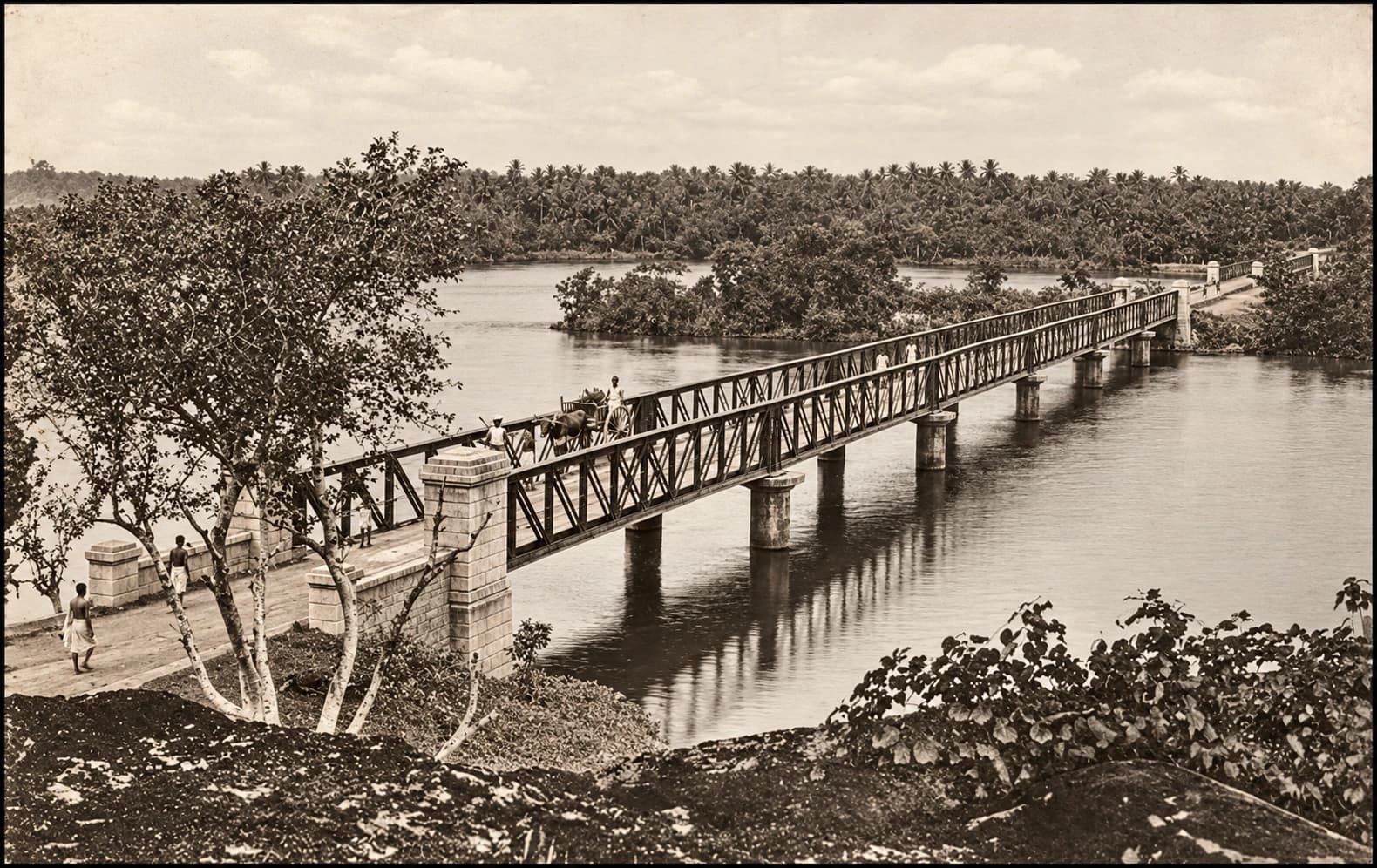
The Toll Gate at the Bridge: When Travelling Across Ceylon Cost a Few Cents at a Time
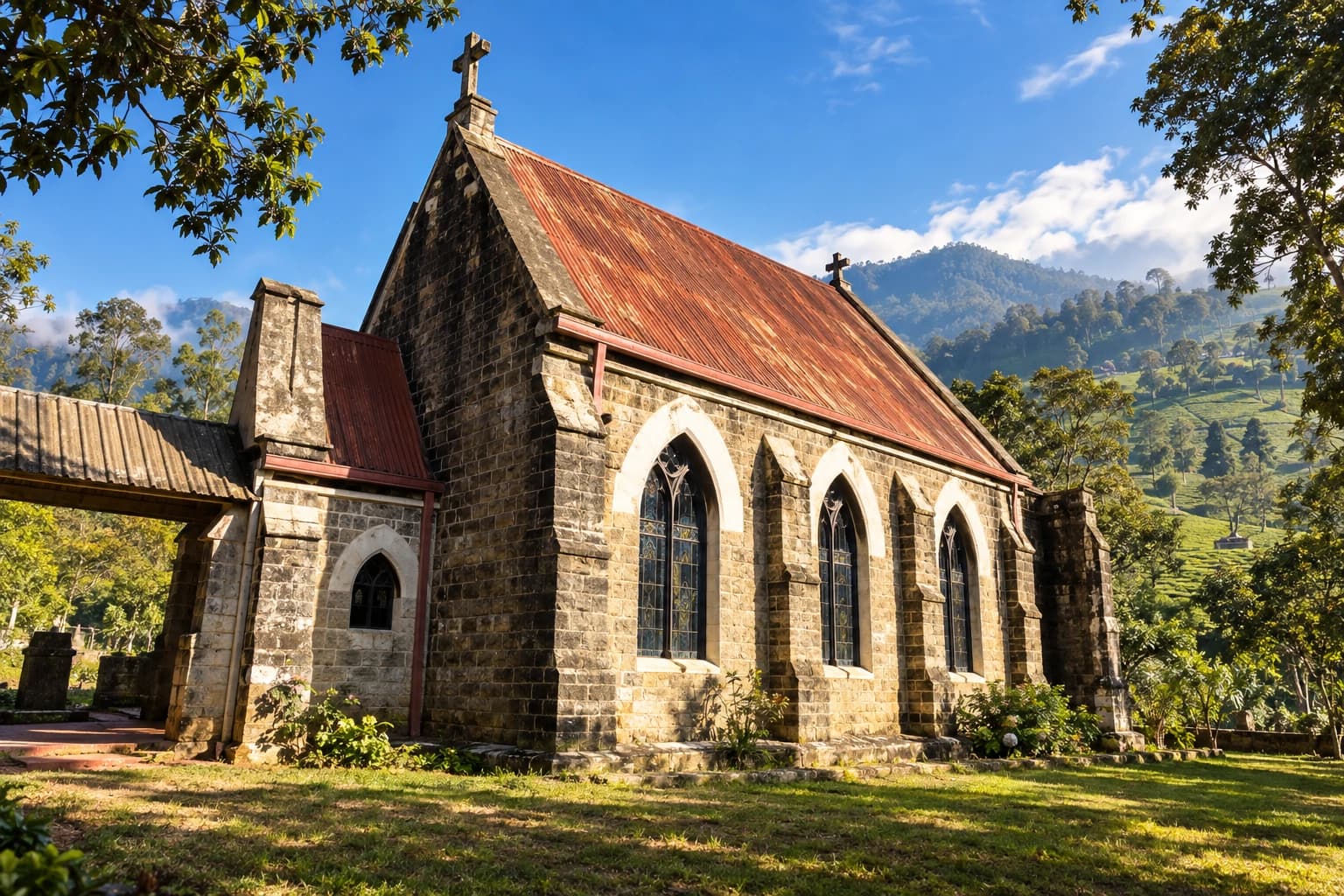
St Margaret’s Church of Kotagala: The Little Stone Church That Watched Coffee Country Become Tea Country