Bridges of Old Ceylon: a slow-travel guide
- 1Day 1Colombo to GalleBentota Bridge Gintota Bridge
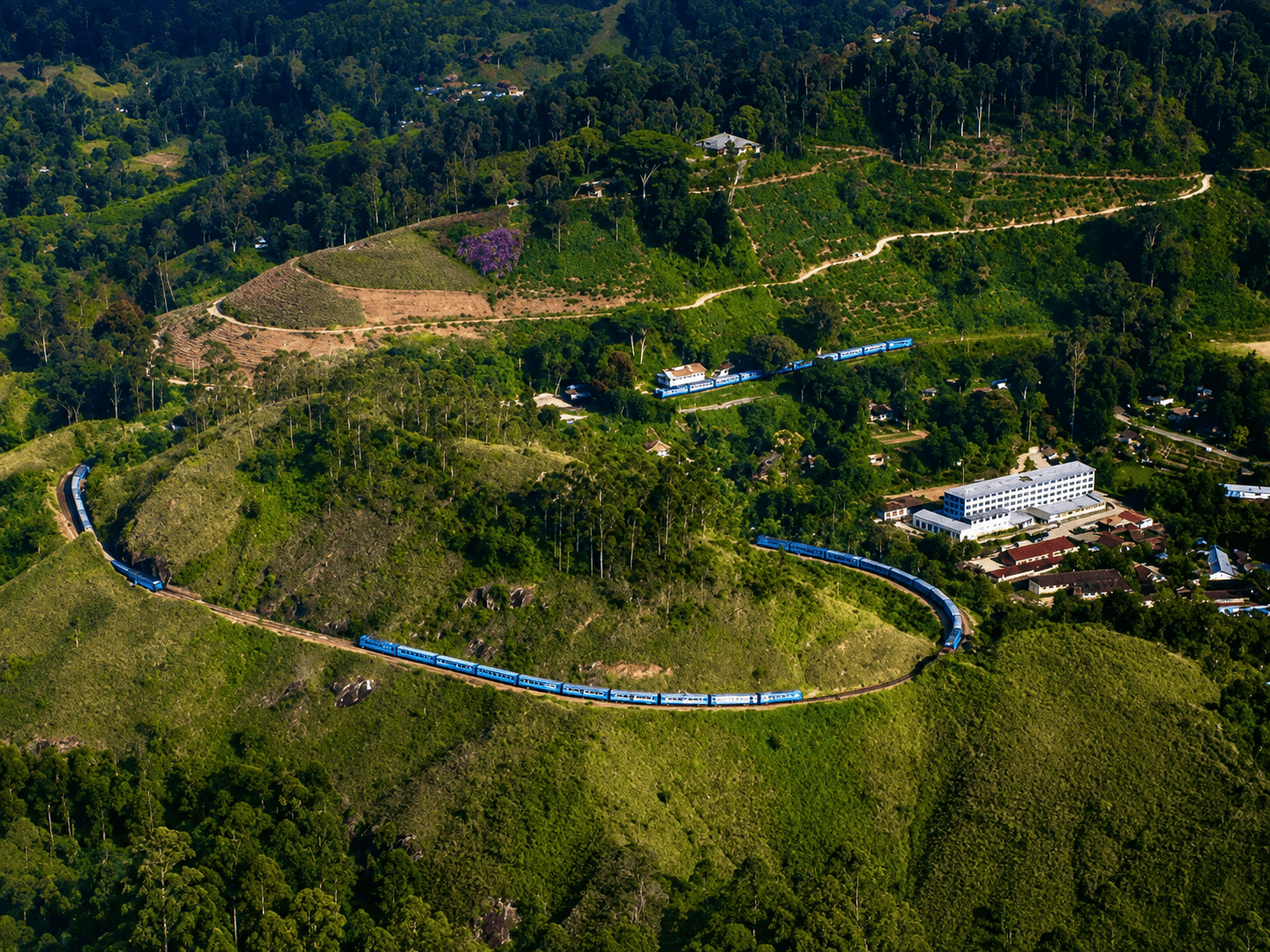
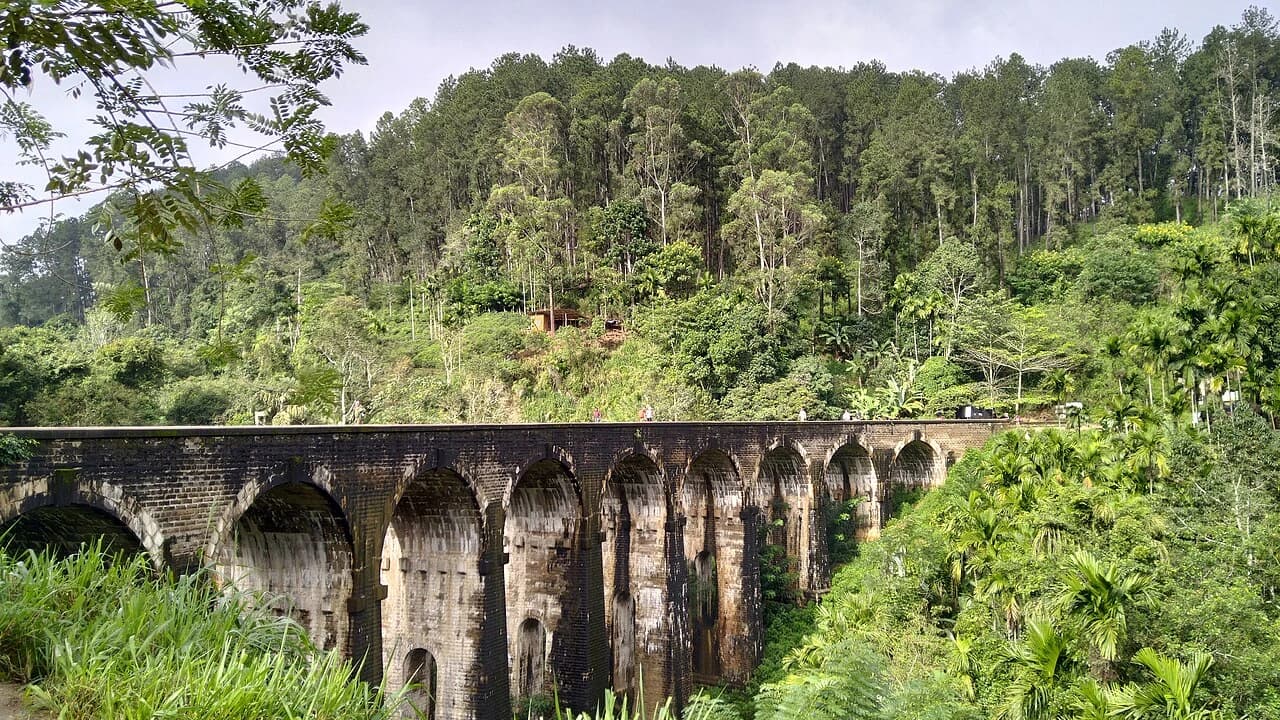
- 2Day 2Hatton to Ella by trainNine Arch Bridge Demodara Loop
Crossings that built a colony
Every road and railway in Ceylon had to cross water, and the crossings were where the colony counted its traffic. In 1895 the Ceylon Government Gazette listed toll places at the bridges of Bentota, Gintota and Walawe in the south, and at the Uppar, Vallai and Tondamannar bridges in the north. A foot passenger could be charged two cents; carts, oxen and elephants paid more.
This guide is two short trips: one day down the south-west coast to the old toll bridges, and two days inland to a film-set bridge that no longer exists and a railway viaduct that still carries trains.
The route at a glance
| Trip | Day | Journey | Crossings |
| Coast | 1 | Colombo to Galle | Wellawatte canal, Bentota bridge, Gintota bridge |
| Hills | 2 | Colombo to Hatton | Kitulgala on the Kelani River, the 60 feet railway bridge |
| Hills | 3 | Hatton to Ella by train | Nine Arch Bridge, Demodara Loop |
Day 1: the toll bridges of the south-west coast
Start in Colombo at Wellawatte, between Bambalapitiya and Dehiwala. An old Plâté & Co. postcard shows the “Wellawatte Canal and Bridge” among water and palms, a modest crossing on a canal remembered as Layard’s Folly. The area is now dense and busy, but the canal still runs through it.
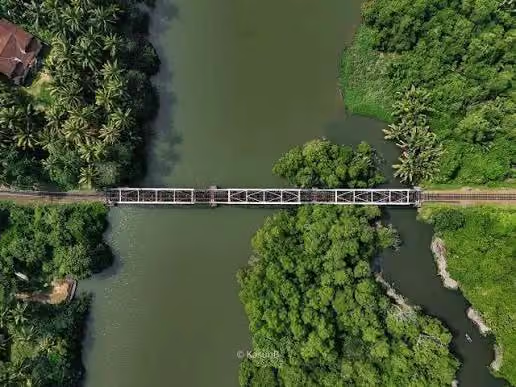
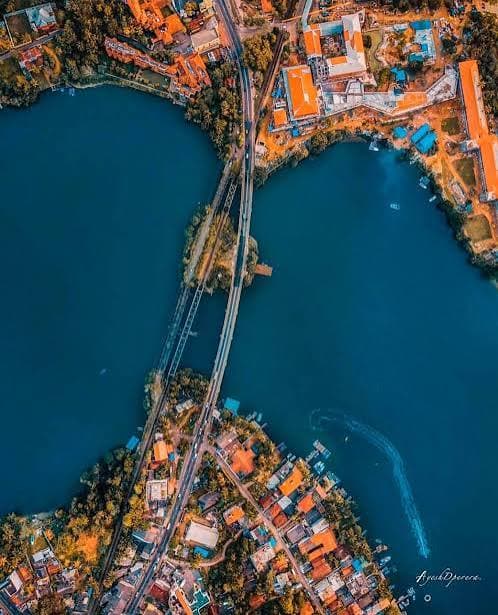
Drive south along the coast to Bentota. The 1895 Gazette lists a toll “at the bridge at Bentota” on the Bentota River, and a railway bridge already crossed the river by 1894. Toll-keepers wore a badge and displayed a table of charges with their own name.
Finish near Galle at Gintota, where the toll stood “at the bridge at Gintota on the southern side”. Today’s bridges may not be the originals, so look for old abutments, masonry posts or a widened road shoulder where the toll-keeper once stood.
Read more: The Toll Gate at the Bridge · Wellawatte Canal
Day 2: Kitulgala and the bridge that is no longer there
Head inland from Colombo on the A7 towards Hatton and stop at Kitulgala on the Kelani River. In the 1950s David Lean filmed The Bridge on the River Kwai here, with Alec Guinness as Colonel Nicholson. The story is set in Thailand, but the great wooden bridge was built in the Kitulgala area for the film and destroyed in its final scene as a train crossed. It was never meant to last, and nothing of it survives.
Walk down to the river anyway and picture the set on its banks. Kitulgala is now better known for rafting and rainforest walks. Two other film locations make good detours on other days: the Mount Lavinia Hotel, used for the military hospital scenes, and Peradeniya Botanical Gardens near Kandy.
Continue up the A7 to Hatton for the night.
Read more: Bridge on the River Kwai in Sri Lanka
Day 3: by train to the Nine Arch Bridge
Board the Main Line at Hatton. Between Hatton and Kotagala the train passes the Singha Malai Tunnel and the 60 feet bridge, so keep to the window from the start. The line climbs on through Nanu Oya and Pattipola, the highest station on the island, before dropping towards Ella.
Get off at Ella for the Nine Arch Bridge at Gotuwala, about 1.25 miles from the station towards Demodara. It was completed in January 1919: roughly 400 feet long and 100 feet high, with nine semicircular arches of about 30 feet each, set on a curve. It is a concrete viaduct faced with locally moulded blocks, built with local stone and sand, British cement and Burmese teak for the temporary frames. Trains still cross it, so watch from authorised viewpoints and stay off the track.
If you have time, go on to Demodara, where the line loops around a hill and passes beneath its own station.
Read more: Nine Arch Bridge · Demodara Loop
Practical notes
- Old bridges are often replaced. Many crossings on this route have been rebuilt, so visitors should treat the toll bridges as places to look for traces, and check current access before going.
- Railways are live. At the Nine Arch Bridge and along the line, use stations and authorised viewpoints and follow railway staff.
- Book the train ahead. Check current train times and fares with Sri Lanka Railways before you travel.
- Rivers rise fast. At Kitulgala, stay off the banks after heavy rain and follow local advice.
- Further north. The Uppar, Vallai and Tondamannar toll bridges near Jaffna, and the causeway to Mannar Island beside Mannar Fort, suit a separate northern trip.
To add before publishing:
- ☐ Two or three stays in Galle, Hatton and Ella
- ☐ A route map
- ☐ Ideally, a site story on the Bentota and Gintota bridges themselves, to give day 1 more depth
Sources and further reading
On Tripping Sri Lanka:
- The Toll Gate at the Bridge
- Wellawatte Canal
- Bridge on the River Kwai in Sri Lanka
- Nine Arch Bridge
- Demodara Loop
- Mannar Fort
Background:
Heritage places mentioned
Gintota Bridge
Bentota Bridge
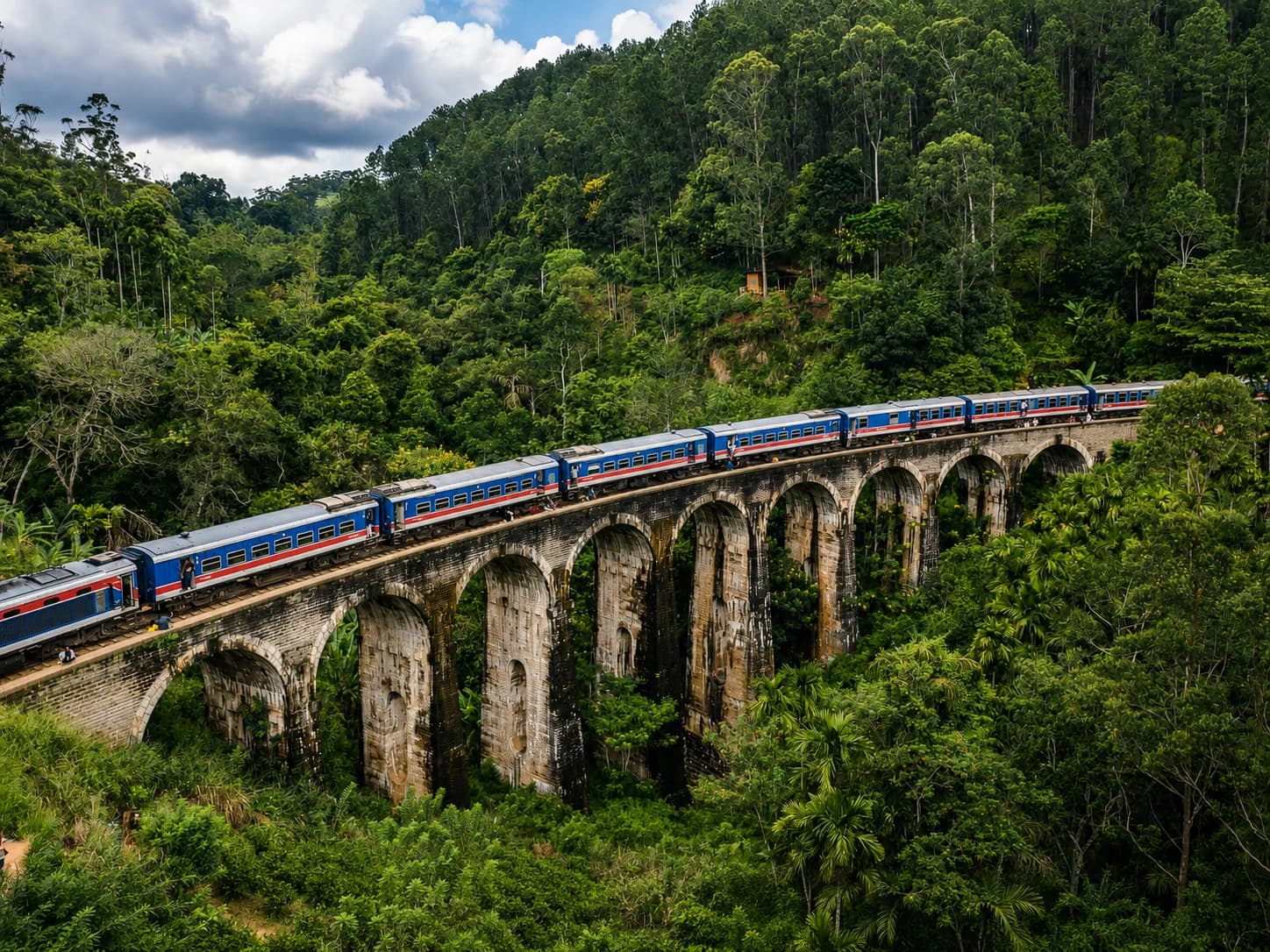
Nine Arch Bridge